
This guide includes a paid featured placement from Mimikai. All opinions and product recommendations are our own.
I have three kids, which means I have applied bug spray in a beach parking lot, outside camp, beside a soccer field and while chasing a toddler who had apparently decided mosquito bites were preferable to standing still for 12 seconds.
I’m not looking for a bottle that merely sounds wholesome. I need something that works, is appropriate for my child’s age and doesn’t require me to conduct a graduate seminar on active ingredients every time we eat dinner outside.
That last part is harder than it should be. The bug-spray aisle is packed with words like natural, botanical, gentle, clean and family-friendly. But those terms don’t necessarily tell you how well a product prevents mosquito or tick bites—or whether it has been tested for that purpose.
The clearest place to start is with an insect repellent registered by the Environmental Protection Agency. EPA registration means the product has been evaluated for safety and effectiveness when used according to its label, including its use among children and other potentially vulnerable groups. The American Academy of Pediatrics also recommends choosing EPA-registered repellents containing ingredients such as DEET, picaridin, oil of lemon eucalyptus or another registered active ingredient.
The best bug spray for your child ultimately depends on three things: their age, how long they’ll be outside and whether you’re mainly worried about mosquitoes, ticks or both. Here are the products worth keeping by the back door, in the diaper bag and permanently buried beneath the camp towels.
Once everyone’s protected, these outdoor summer toys for toddlers and kids may buy you enough time to sit down before someone needs a snack.
| Product | Best for | Active ingredient | Recommended age | Shop |
|---|---|---|---|---|
| Mimikai Kids Mosquito & Tick Bug Spray | Plant-derived mosquito and tick protection | 2-undecanone | Ages 2+ | Save 15% with code TheMotherChapter15 |
| Natrapel Kids Tick & Insect Repellent | Babies and toddlers | 20% picaridin | Ages 3 months+ | Shop now |
| OFF! Adults & Kids Picaridin Lotion | Controlled, mess-free application | Picaridin | Ages 3 months+ | Shop now |
| OFF! Adults & Kids Spritz | Everyday outdoor use | Picaridin | Ages 1+ | Shop now |
| Sawyer 20% Picaridin Insect Repellent | Camp, hiking and tick-heavy areas | 20% picaridin | Follow product label | Shop now |
| Cutter Skinsations Insect Repellent | Affordable protection for shorter outings | 7% DEET | Ages 2 months+ | Shop now |
| Boogie Insect Repellent Lotion | A gentle-feeling, easy-to-control lotion | Picaridin | Follow product label | Shop now |
| Natrapel Picaridin Wipes | Diaper bags, travel and on-the-go application | 20% picaridin | Follow product label | Shop now |
Ages and application instructions vary by formulation. Always read and follow the product label before applying insect repellent to a child. As an Amazon Associate, The Mother Chapter may earn a commission from qualifying purchases.
This is one of the best drugstore options I’ve found that actually competes with higher-end formulas. The tint helps neutralize any white cast right away, and the hydrating base makes it easy to spread without dragging on your skin. It uses zinc oxide and includes ingredients like ceramides, so it feels more like skincare than sunscreen. I love this for everyday use when I want something affordable but still effective.
Neutrogena Sheer Zinc Mineral Stick SPF 50
What bug spray is safe for babies?
For babies younger than 2 months, skip skin-applied insect repellent and rely on lightweight clothing that covers the arms and legs, plus mosquito netting over the stroller, carrier or crib. For older babies, toddlers and children, look for an EPA-registered product and follow the specific age and application instructions on its label.
AAP guidance says the concentration of an ingredient usually affects how long it protects—not whether it works at all. As an example, 10% DEET may provide around two hours of protection, while 30% DEET can provide roughly five hours. Picaridin products containing 20% picaridin may provide eight to 12 hours of protection, depending on the formulation.
1. Best plant-powered bug spray: Mimikai Kids Mosquito & Tick Bug Spray
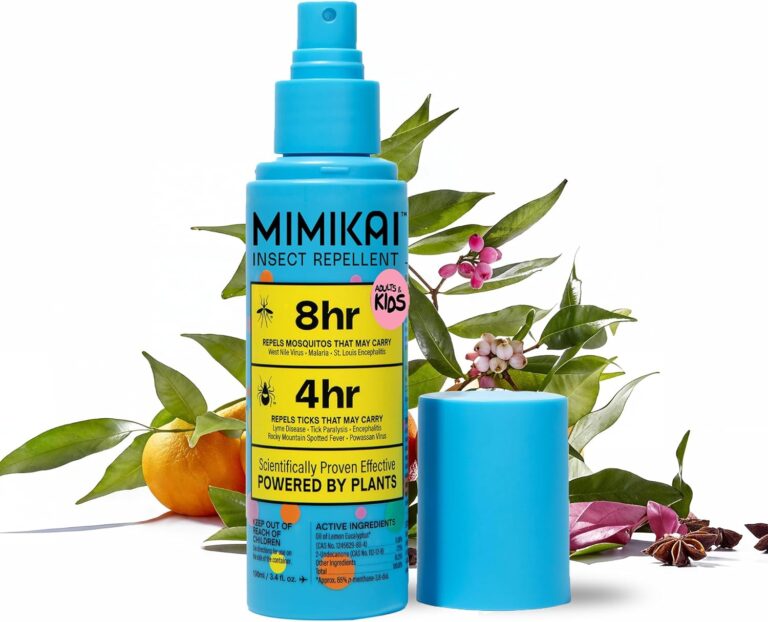
https://mimikai.com/products/kids-mosquito-tick-bug-sprayThere is a big difference between a vaguely “natural” bug spray made with a blend of essential oils and a plant-derived product that has actually been registered with the EPA. Mimikai falls into the latter camp.
Its active ingredient is 2-undecanone, a compound that occurs naturally in wild tomato plants and certain fruits. The brand’s kids’ formula is registered for children ages 2 and older and is designed to protect against mosquitoes for up to eight hours and ticks for up to four hours when used as directed.
What makes it especially appealing for families is that it feels less like the bug sprays many of us grew up with. The formula includes soybean oil and vitamin E and is designed to feel lightweight on skin rather than leaving behind that unmistakable sticky-camp-counselor coating. It comes in both a pump spray and a continuous mist, although I’d use the pump when applying it around young children so you have more control over where it lands.
One important distinction: this is not a baby bug spray. The label begins at age 2, so families with younger babies or toddlers will need another option.
Why we like it
- EPA-registered
- DEET-free, plant-derived active ingredient
- Protects against both mosquitoes and ticks
- Available in a TSA-friendly pump bottle
- Designed for ages 2 and older
Keep in mind: It has a noticeable botanical fragrance, and parents of children with fragrance-sensitive skin may prefer an unscented picaridin lotion.
The Mother Chapter readers can save 15% with TheMotherChapter15 at checkout.
Shop Mimikai and save 15%
2. Best bug spray for babies 3 months and up: Natrapel Kids Tick & Insect Repellent
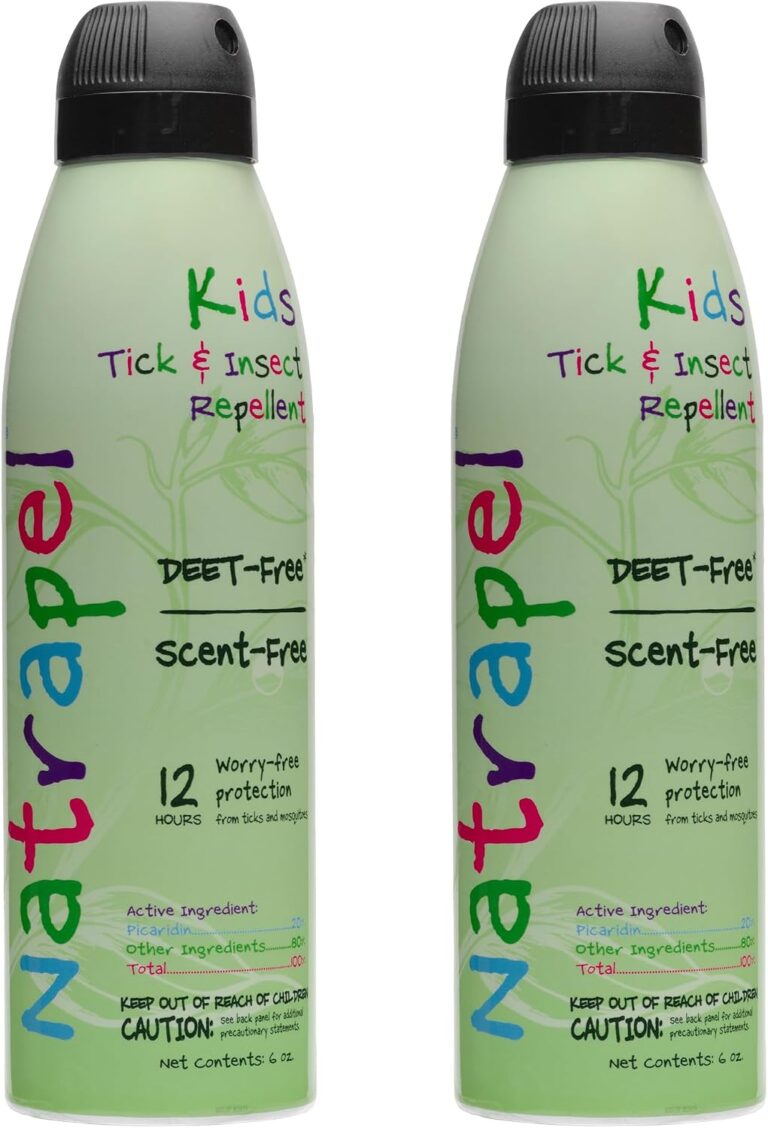
Natrapel Kids is one of the strongest choices for families who want a product explicitly labeled for very young children. It contains 20% picaridin, is suitable for ages 3 months and older and is formulated to provide up to 12 hours of protection against mosquitoes and ticks when used as directed.
Picaridin has become a go-to DEET alternative for families because it is typically odorless, does not feel as greasy and won’t damage plastics or synthetic materials the way DEET can. That last point matters more than it sounds when you are spraying near stroller fabric, sunglasses, a plastic watch or the buckle of a baby carrier.
Keep a few beside the sunscreen in your diaper bag or add them to our complete list of pool bag essentials for babies and kids.
Why we like it
- Labeled for babies 3 months and older
- Fragrance-free
- 20% picaridin
- Long-lasting mosquito-and-tick protection
- Doesn’t damage plastic or synthetic gear
Keep in mind: A 12-hour protection claim does not mean every child needs a head-to-toe application for a quick stroller walk. Use only enough to cover exposed skin and clothing.
3. Best bug-repellent lotion for babies: OFF! Adults & Kids Picaridin Lotion
Sprays are fast. They are also remarkably good at drifting directly into the face of whichever child has just turned around to ask for a snack.
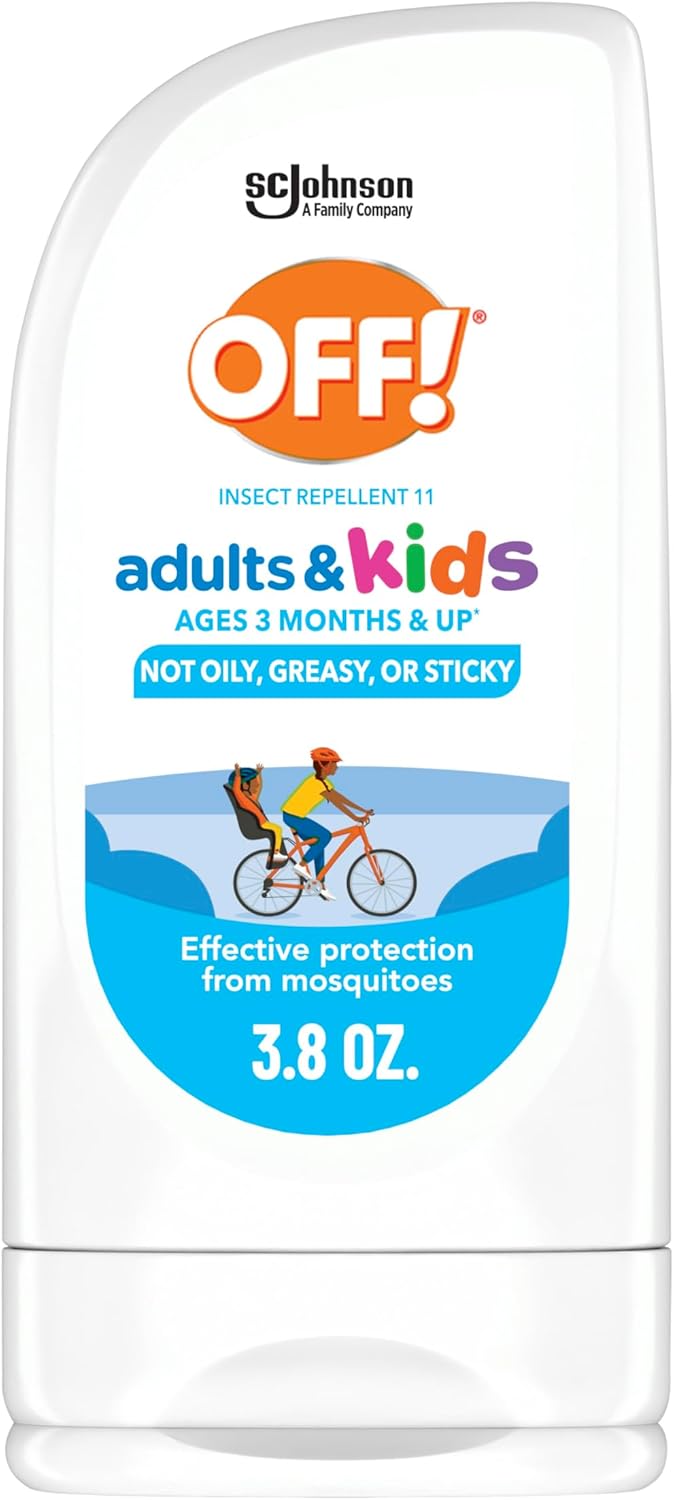
For babies and younger toddlers, a lotion can be much easier to control. OFF!’s Adults & Kids lotion uses picaridin, is fragrance-free and is labeled for children ages 3 months and older. The lotion format lets you see exactly where you have applied it and makes it easier to avoid eyes, mouths, hands and irritated skin.
It is a particularly smart option for babies who are mostly covered by clothing and only need repellent on a few exposed areas, such as the lower legs or arms. Put a small amount in your own hands first, then spread a thin, even layer over the exposed skin.
Why we like it
- Labeled for ages 3 months and up
- Lotion offers controlled application
- Fragrance-free
- Non-greasy picaridin formula
- Useful for children who dislike the sensation of a cold spray
Keep in mind: The lotion is designed primarily for mosquito protection, so check the exact label when ticks are the main concern.
4. Best everyday bug spray for toddlers: OFF! Adults & Kids Spritz
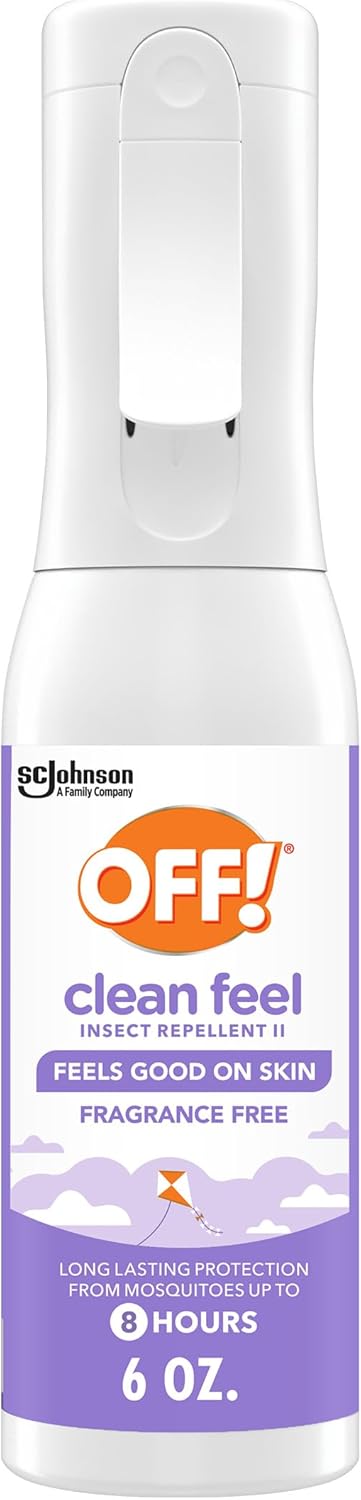
For playground evenings, backyard dinners and those 5 p.m. hours when the mosquitoes suddenly realize your family is outside, OFF! Adults & Kids Spritz is a practical, widely available option.
The unscented picaridin formula is labeled for children ages 1 and older and protects against mosquitoes, ticks and biting flies. The pump bottle also gives parents more control than an aerosol, which is helpful when you’re trying to cover a moving toddler without filling the air around them with repellent.
For children between ages 1 and 10, the product label limits application to twice a day, so this is one of those moments when reading the fine print actually matters.
Why we like it
- Suitable for children ages 1 and older
- Unscented and non-greasy
- Pump application is easier to control
- Protects against mosquitoes, ticks and biting flies
- Easy to find at major retailers
Keep in mind: Follow the label’s daily application limit for children.
5. Best bug spray for camp and tick-heavy areas: Sawyer 20% Picaridin Insect Repellent
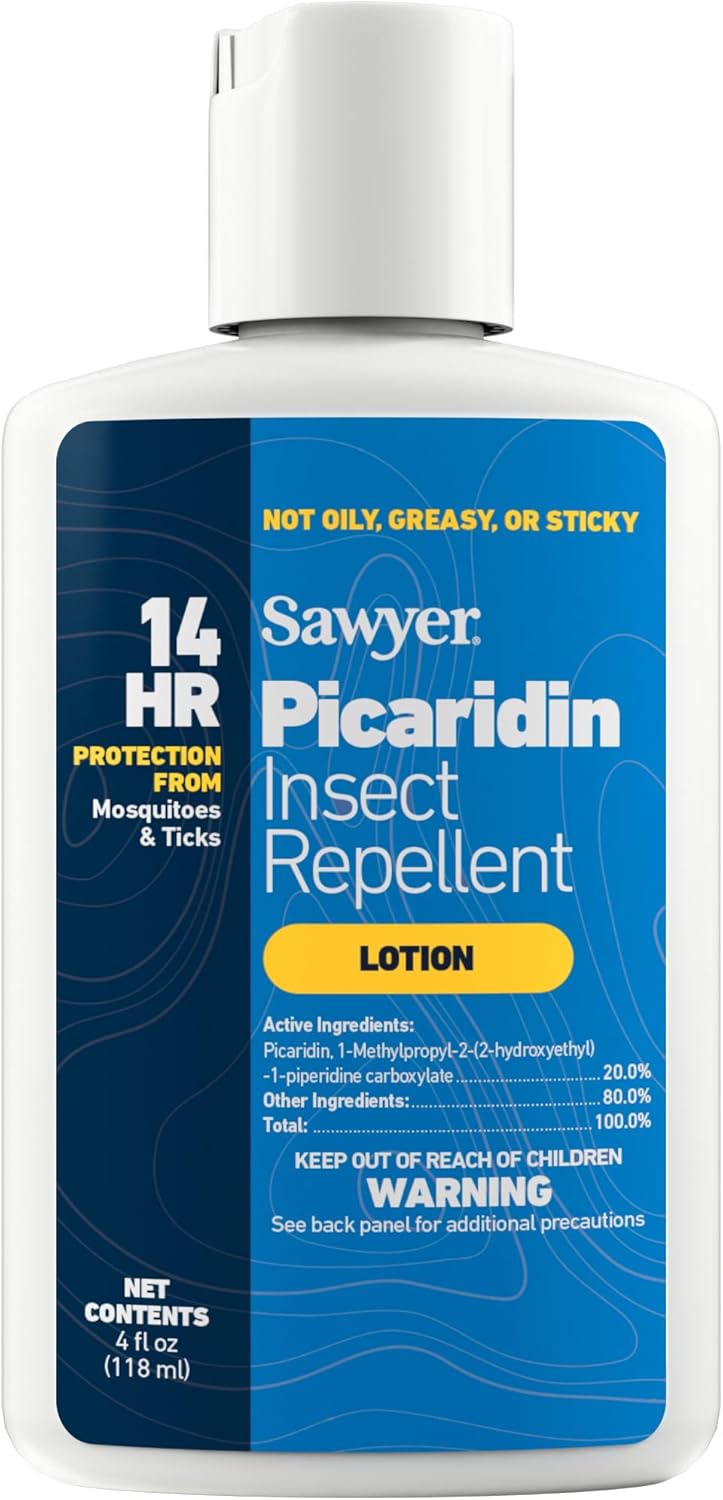
When the plan involves woods, tall grass, hiking trails or summer camp—not merely eating watermelon on the patio—you want a repellent with staying power.
Sawyer’s 20% picaridin pump spray is made to repel mosquitoes and ticks, as well as biting flies, gnats, chiggers and fleas. It provides up to 12 hours of protection against mosquitoes and ticks and up to eight hours against several other biting insects, according to the product listing.
Picaridin also won’t damage rain jackets, sunglasses, watch faces or synthetic camping gear. For families in tick country, pair a skin-applied repellent with a thorough tick check after outdoor play. Permethrin can also be used on clothing and outdoor gear—but never directly on skin.
Why we like it
- 20% picaridin
- Long protection window
- Repels mosquitoes, ticks and multiple biting insects
- Won’t damage synthetic clothing or gear
- Good for camp, hiking and travel
Keep in mind: Check the bottle’s age instructions before using it on a baby or young toddler rather than assuming “family-friendly” applies to every age.
6. Best affordable DEET bug spray for short outings: Cutter Skinsations
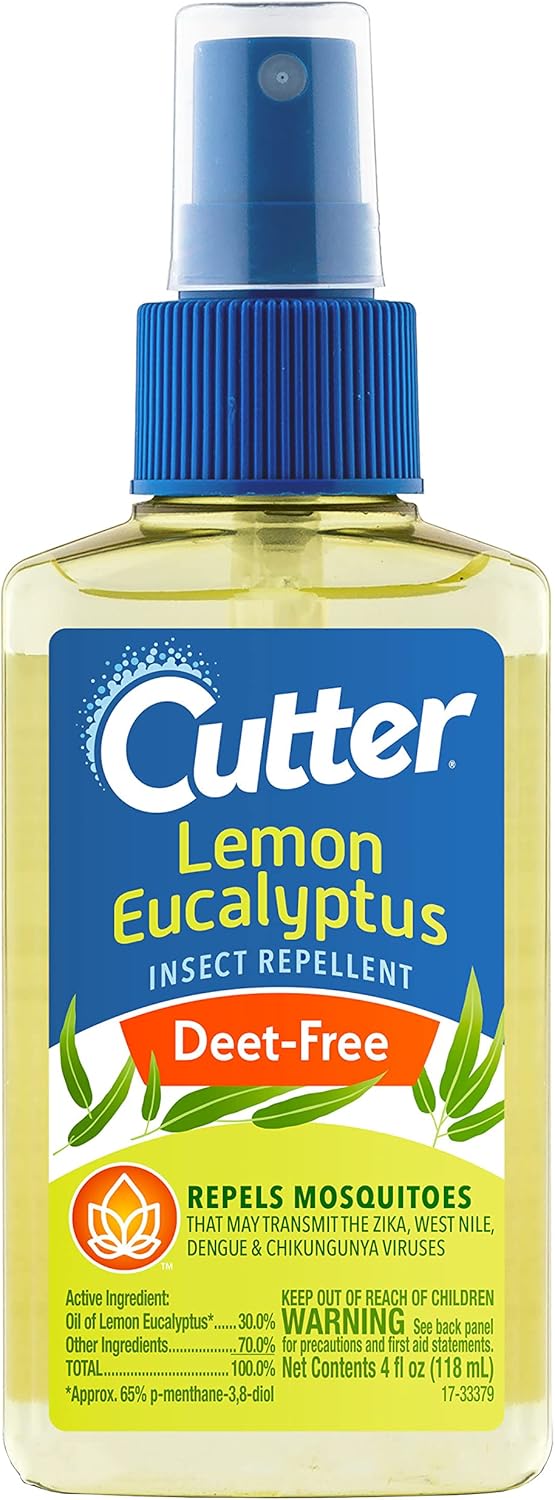
DEET has accumulated plenty of parent anxiety over the years, but it remains one of the most established and effective repellent ingredients. The EPA says normal use of DEET does not present a health concern to the general population, including children, when label directions are followed. The AAP generally recommends choosing a concentration based on the amount of time protection is needed and keeping children’s products at 30% DEET or below.
Cutter Skinsations contains 7% DEET, making it a reasonable, affordable option for shorter periods outside rather than an all-day hike. The formula also includes aloe and vitamin E, although no moisturizer magically turns bug spray into skincare.
Why we like it
- Affordable and easy to find
- Lower DEET concentration for shorter outings
- Pump bottle offers controlled application
- Protects against mosquitoes
- Useful as a basic back-door bottle
Keep in mind: Lower DEET concentrations usually mean a shorter protection window. Reapply only according to the label—not simply because a set amount of time has passed.
7. Best DEET bug spray for longer outdoor play: Boogie Insect Repellent Lotion
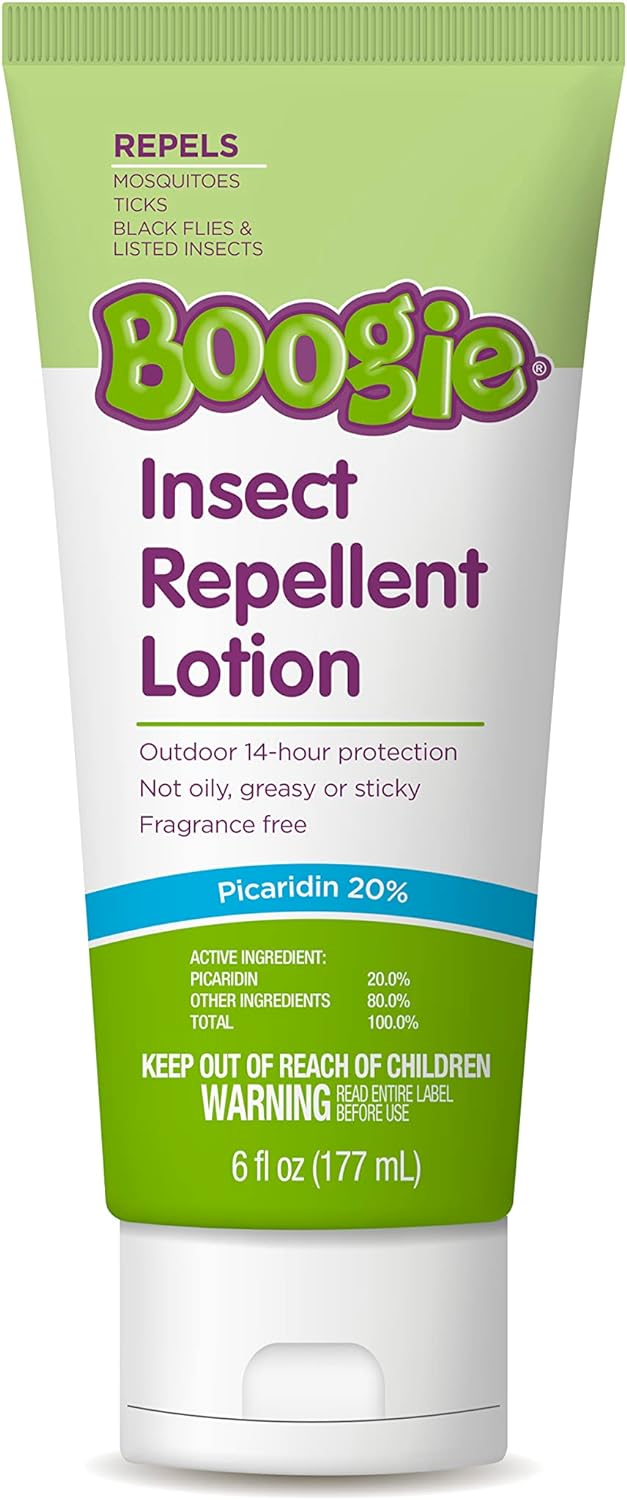
If applying bug spray to your child usually ends with everyone coughing, flinching or sprinting away only half-covered, a lotion may be the peace treaty. Boogie’s fragrance-free formula contains 20% picaridin and spreads in a thin, visible layer, making it easier to see where you’ve applied it without creating a cloud of repellent around a wriggling toddler.
The brand says the lotion repels mosquitoes and ticks for up to 14 hours, along with biting flies, gnats, chiggers and other listed insects. It is also designed to feel non-greasy and moisturizing, which may make it more tolerable for kids who object to the sticky residue and strong smell of traditional bug sprays.
The controlled application is the real win here. Squeeze the lotion into your own hands, then smooth a thin layer over exposed skin, avoiding your child’s hands, eyes, mouth and any irritated areas. The product label limits use to two applications per day. Insect repellent should not be used on babies younger than 2 months; use lightweight clothing and stroller or carrier netting instead.
Why we like it
- Contains 20% picaridin
- Lotion allows for precise, mess-free application
- Fragrance-free and non-greasy
- Protects against both mosquitoes and ticks
- No airborne mist for children to inhale
Keep in mind: “Up to 14 hours” is the brand’s maximum protection claim when the product is used as directed. Do not exceed two applications per day, and always follow the instructions on the bottle.
8. Best bug-repellent wipes for travel: Natrapel Picaridin Wipes
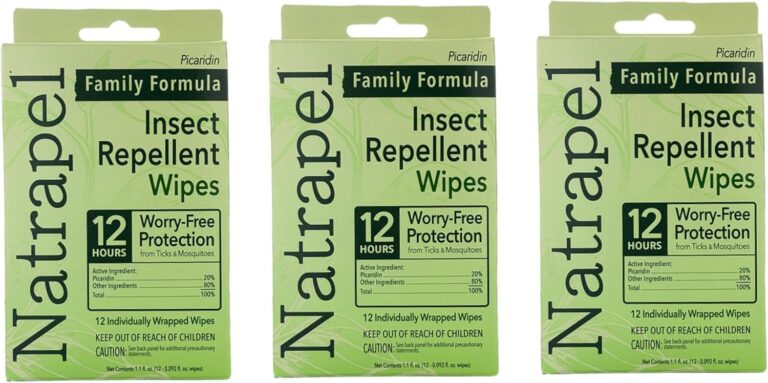
Individually wrapped wipes are not the most economical everyday option, but they are wonderfully hard to spill across the interior of a diaper bag.
Natrapel’s wipes contain 20% picaridin and are designed to repel mosquitoes and ticks for up to 12 hours. They make it easier to apply an even layer without creating a cloud of spray around a child and are convenient for flights, amusement parks, camping trips and evenings when the repellent bottle is somehow at home despite your having packed 47 other things.
They’re especially easy to pack for one of these baby-friendly vacations for new parents, since individually wrapped wipes won’t leak across the suitcase.
Why we like it
- Individually wrapped
- 20% picaridin
- No airborne spray
- Easy to stash in a purse, stroller or glove compartment
- Protects against mosquitoes and ticks
Keep in mind: You still need to wash your hands after applying the product and keep the used wipe away from children.
Is DEET safe for babies and toddlers?
DEET can be used safely on children when the product is appropriate for their age and applied according to the label. AAP guidance commonly recommends using products containing no more than 30% DEET on children and selecting the lowest concentration that will last for the amount of time your child will be outdoors. For babies younger than 2 months, use clothing and mosquito netting instead of skin-applied repellent.
The percentage of DEET primarily tells you how long it may work. It does not mean a 30% product is three times “stronger” or more effective at repelling an individual mosquito than a 10% formula.
Is picaridin better than DEET for kids?
Neither ingredient is automatically best for every family. Both are EPA-registered active ingredients used to repel mosquitoes and ticks. Picaridin tends to be fragrance-free, less greasy and safer around plastics and synthetic fabrics, while DEET has a longer history of use and is available in a wider range of concentrations and products.
For everyday use, many parents find picaridin easier to tolerate. For travel to an area with a serious insect-borne disease risk, follow CDC destination guidance and choose a product with the appropriate ingredient and protection window.
Are natural bug sprays safe for babies?
“Natural” does not automatically mean safer, gentler or more effective.
Some essential-oil repellents are exempt from EPA registration because their ingredients are considered minimum-risk. However, that also means the EPA has not evaluated those products for effectiveness. Citronella, cedar, geranium and peppermint oils may provide shorter-lived protection and can still irritate sensitive skin.
That doesn’t mean every essential-oil spray is useless. It means I would not make one my first choice when mosquitoes or ticks are abundant, when a child is attending camp, or when insect-borne illness is a meaningful concern.
For more thoroughly vetted products across everyday baby care, see our guide to non-toxic parenting essentials.
How to apply bug spray safely to children
Read the label every time, because age limits and reapplication instructions vary even among products containing the same active ingredient.
Apply only enough repellent to cover exposed skin and the outside of clothing. Never spray it underneath clothes, directly into a child’s face or onto cuts, irritated skin or sunburn. Spray the product into your own hands before applying it carefully around the child’s face, avoiding the eyes and mouth. Do not put repellent on young children’s hands, since those hands will inevitably end up inside a mouth, eye, snack cup—or all three.
Wash the child’s skin with soap and water once you return indoors, and wash treated clothing before it is worn again. The AAP also advises against combination sunscreen-and-repellent products because sunscreen needs to be reapplied more frequently, potentially exposing a child to more repellent than necessary.
How we chose the best bug sprays for babies and kids
We prioritized products with EPA-registered active ingredients and clear age and application directions. We also considered:
- Protection against mosquitoes, ticks or both
- The concentration and expected protection window
- Whether the formula comes as a lotion, pump, wipe or continuous spray
- Fragrance and skin feel
- Portability
- Availability
- Whether the product could damage plastics, synthetic fabrics or outdoor gear
No single bug spray is right for every child or every outing. The best one is the product whose label matches your child’s age, the insects in your area and the amount of time your family plans to spend outside.
Frequently asked questions
What is the best bug spray for a 3-month-old?
A lotion or controlled pump product explicitly labeled for babies 3 months and older is generally the easiest option to apply carefully. Natrapel Kids and OFF! Adults & Kids Picaridin Lotion are both labeled for that age group.
Can I use bug spray on a newborn?
For babies younger than 2 months, use long, lightweight clothing and mosquito netting over strollers, carriers and cribs rather than applying repellent directly to the skin.
What is the best mosquito repellent for toddlers?
A picaridin product can be a good everyday option because it is generally odorless, non-greasy and does not damage plastic or synthetic gear. Choose a product whose label specifically includes your toddler’s age.
What is the best bug spray for ticks?
Look for an EPA-registered product labeled to repel ticks, commonly containing picaridin, DEET or 2-undecanone. For added protection in tick-heavy areas, use permethrin-treated clothing or gear and perform a full tick check after outdoor play. Permethrin should not be applied directly to skin.
Should sunscreen or bug spray go on first?
Apply sunscreen first, allow it to dry and then apply insect repellent. Avoid combination sunscreen-repellent products because sunscreen must be reapplied more frequently than most repellents.