
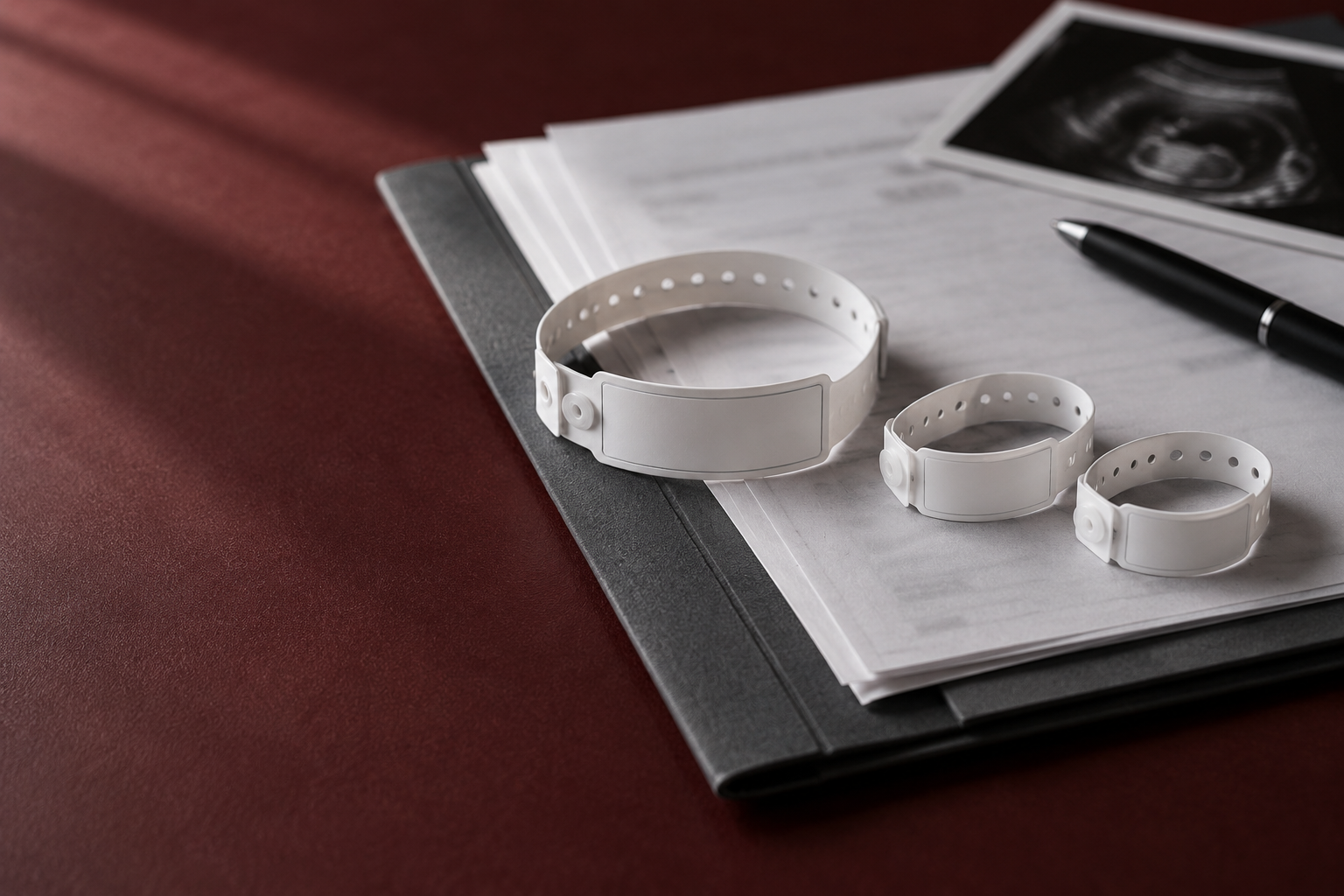
Eight years after I delivered Peter and Maurice, I can still recite their birth history: Stage III twin-to-twin transfusion syndrome. Surgery while I was pregnant. Twenty-eight weeks and five days. Nearly three months in the NICU.
But when I tried to write one sentence for my own medical history, I realized I had always thought of those facts as theirs. I had never put them in mine.
Peter and Maurice are eight now. They play travel soccer and come through the door looking for snacks. Today, you would see two loud, funny boys with grass on their knees, not the tiny babies I once watched through incubator walls.
I carried that number—28 weeks and five days—through every NICU update, milestone and medical form. Their doctors needed it, and I always had it ready. It never occurred to me to tell my own doctor.
I still cannot believe I missed that. I am a physician assistant, and I began my career caring for heart patients. I know that something that happened years ago can still matter to a doctor today.
But I was also their mother. Once the babies arrived, they became the patients. I became the person standing beside them. I stopped thinking of myself as one.
After They Were Born, I Disappeared From the Story
Our pregnancy became frightening early. Peter and Maurice shared one placenta and developed Stage III twin-to-twin transfusion syndrome, or TTTS. Blood was moving unevenly between them: too little to one baby and too much to the other. Both were in danger.
We heard predictions no parent should have to hear, but I kept looking for someone who knew this condition well.
On Palm Sunday night, another mother in an online TTTS group gave me the cell phone number of Dr. Ruben Quintero at The Fetal Institute in Miami. He answered even though it was late and I was not his patient. That call brought us to Miami.
At 27 weeks, the condition became an emergency. I had laser surgery while I was still pregnant. Dr. Quintero treated the shared blood vessels causing the problem and adjusted the procedure to what he found. The boys’ blood flow improved.
About 10 days later, I delivered them by emergency C-section at 28 weeks and five days.
READ: What No One Tells You About the Emotional Impact of a C-Section
I heard two tiny, cat-like cries before two separate teams carried them away. I could not hold them. Later, I saw them through incubator walls, almost hidden by masks, tubes and wires. My belly was suddenly quiet. My babies were alive, but they were somewhere else in the hospital, and every part of my body wanted them back.
The NICU split my heart in two directions. At the hospital, I learned the alarms and celebrated a wet diaper, a few grams gained or one less wire. At home, Mia and Juliet still needed their mother. Wherever I was, I felt I was leaving someone.
Their early birth followed them into appointment after appointment. What happened to my body faded into the background. I recovered from fetal surgery and a C-section. I pumped milk. I kept going.
Years later, I realized my body had a history, too.
Why 28 Weeks and Five Days Belongs in My Chart
A baby born before 37 weeks is premature. My twins arrived more than 11 weeks early.
Studies have found that women who deliver early are more likely to develop heart disease later in life. That is a link, not proof that an early delivery causes heart disease, and it cannot tell us what will happen to one woman. The American Heart Association (AHA) identifies preterm delivery as an adverse pregnancy outcome associated with an increased risk of cardiovascular disease later in life.
Pregnancy is sometimes described as a kind of stress test for a woman’s cardiovascular system because it can bring underlying risks to the surface. In a 2018 American Heart Association News interview, Dr. JoAnn Manson urged doctors to ask women about their pregnancy histories and monitor their blood pressure regularly.
Why a baby comes early matters, too. Labor starting on its own is different from an early delivery caused by high blood pressure, an infection, a placenta problem or a serious problem affecting the baby.
My own story does not fit neatly into most of the research. Much of it has looked at pregnancies with one baby, not twins. It cannot tell me exactly what an early twin delivery after TTTS means for me. There is not enough research to know whether TTTS or fetal surgery changes a mother’s long-term heart risk.
I do not want to stretch the science or give another mother a new reason to worry. I simply want my doctors to know that I delivered at 28 weeks and five days. It belongs beside my blood pressure, cholesterol, blood sugar, family history and how I feel now.
What This Changes for Me
Pregnancy puts extra work on the heart and the body. Doctors are still learning why women who deliver early have more heart problems later. An early delivery may bring an existing risk to the surface, or the pregnancy problem may play a part.
This history is not a diagnosis. A 2024 American Heart Association statement says pregnancy complications are a reason to pay attention to heart-health basics, including blood pressure, cholesterol and, when appropriate, blood sugar.
For me, this history does not automatically mean a heart scan or a visit to a specialist. It means telling my regular doctor what happened and asking what, if anything, it changes about my care.
At my next visit, I can ask: Is my blood pressure where it should be? Are my cholesterol and blood sugar checks current? Does giving birth this early change anything you recommend now?
I have spent years asking patients about details they may not think to mention. Somehow, I had not thought to mention this one about myself.
The Record I Wish Every Mother Had
No woman leaving the hospital with a premature baby should be expected to memorize her records. I could barely remember whether I had eaten lunch. A short pregnancy summary would have helped me years later.
If you had a complicated pregnancy, save what you have. If the paperwork is gone, ask for copies. A useful personal record might include:
- Your hospital discharge papers, including how many weeks pregnant you were and why the baby was born early.
- The exact name of any pregnancy problem, such as high blood pressure; preeclampsia; HELLP syndrome, a serious blood and liver problem; diabetes during pregnancy; kidney or placenta trouble; or a baby who was not growing as expected.
- Any report about the placenta or a major procedure you had during pregnancy, including fetal surgery.
- Any serious problem after delivery, along with blood-pressure readings, blood-test results and instructions for follow-up care.
READ: 6-Week Postpartum Checkup: What to Expect, Ask & Watch For
The American College of Obstetricians and Gynecologists says pregnancy complications should be recorded and follow-up plans shared with the mother and her regular doctor. This information should not disappear when maternity care ends.
If the records are gone, do not blame yourself. Start with what you remember. Write down the year, how far along you were, why you delivered and what you remember about your recovery. Bring it to a routine visit and ask for it to be added to your history.
I wish someone had handed me two summaries when I left the hospital: one for my babies and one for me.
I Was a Patient, Too
I do not want a mother of a premature baby to leave with one more reason to be afraid. I remember living from one update to the next and how quickly mothers blame themselves for things they could not control.
This is not about blame or believing heart disease is waiting for me. It is about making sure what happened to my body does not disappear when my baby’s chart begins.
For years, I told the story of how Peter and Maurice survived: the phone call that brought us to Miami, the surgery and the wait to have all four children home. I rarely included myself beyond saying I was their mother.
Now I see what my body went through. I had surgery while I was pregnant. I delivered very early by emergency C-section. I recovered while moving between two incubators and two little girls at home. That belongs in my record.
At my next appointment, I need one clear sentence: “I delivered identical twins at 28 weeks and five days after Stage III TTTS and fetal surgery. Please keep that in my history and tell me if it changes how we care for my health.”
Peter and Maurice are not defined by the week they were born. I am not defined by that pregnancy. But it happened to all three of us.
For eight years, I kept that history for my sons. Now I am finally keeping it for myself, too.
This essay reflects the author’s personal experience and is not a substitute for individualized medical advice.