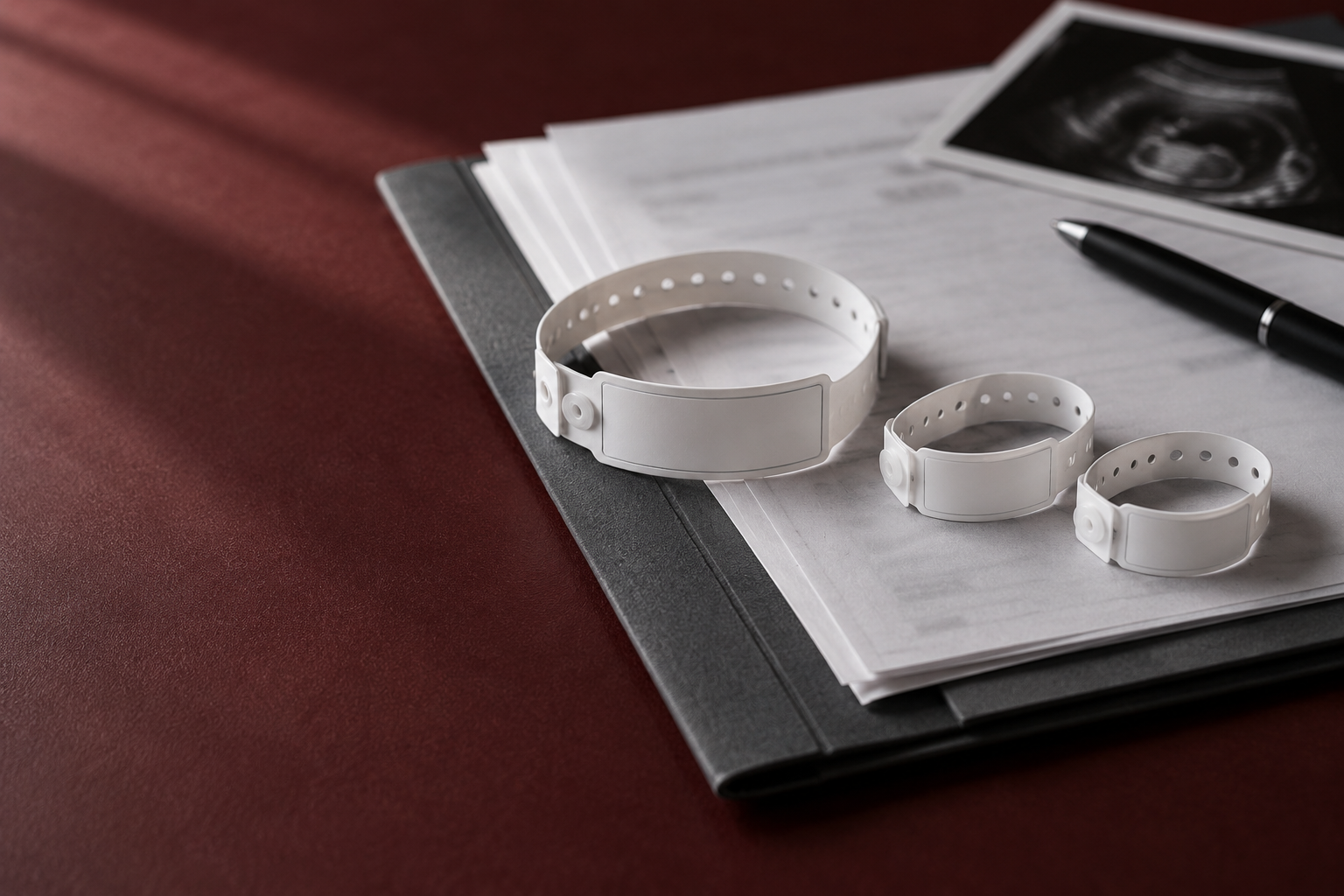

At the 6-week postpartum checkup, many new moms are told their incision looks fine, their bleeding sounds normal and they can slowly return to sex or exercise. But for a lot of mothers, that appointment comes while they are still leaking urine, crying in the shower, dreading intimacy, healing from a C-section or tear, wondering if their anxiety is normal, or feeling like their body still does not belong to them.
The six-week postpartum visit matters. It can help your provider check your physical healing, screen for postpartum depression or anxiety, talk through birth control, feeding, bleeding, sex and exercise, and catch symptoms that need follow-up. But one short appointment is rarely enough to hold everything a mother is still carrying.
The American College of Obstetricians and Gynecologists (ACOG) now says postpartum care should be an ongoing process, not a single visit. That means contact with a maternal care provider within the first three weeks after birth, continued care as needed and a comprehensive postpartum visit no later than 12 weeks postpartum.
So yes, go to the 6-week postpartum checkup. Bring your questions. Tell the truth about what hurts, what leaks, what feels heavy, what feels scary and what does not feel like you. But do not treat that appointment like the finish line. It should be one checkpoint in a much longer recovery.
What Is the 6-Week Postpartum Checkup?
A 6-week postpartum checkup is a visit with your OB-GYN, midwife or maternal care provider after birth. It usually includes a review of bleeding, vaginal tears or C-section incision healing, pelvic pain, breastfeeding or feeding, mood, birth control, sex, exercise and any complications from pregnancy or delivery. Some providers may also check blood pressure, screen for postpartum depression or anxiety, discuss pelvic floor symptoms and recommend follow-up care. For many mothers, one postpartum visit is not enough, especially if symptoms continue beyond six weeks.
Read: How to Strengthen Your Pelvic Floor During TTC, Pregnancy & Postpartum
What Happens at a 6-Week Postpartum Checkup?
The routine six-week postpartum checkup may include an examination of vaginal tears or a C-section incision, discussion of bleeding, breastfeeding, mood, contraception, and a timeline for returning to physical activity. Providers may help with infection, wound healing, high blood pressure or birth control methods.
Unfortunately, a short visit can only reveal so much. It may show whether an incision looks closed or bleeding has slowed. But it cannot fully determine how the mother’s body feels, how her mind is coping or what life has actually been like since she came home. She may not know whether sex will hurt or that bladder leakage is something to discuss with a doctor. She may not know how to say she’s navigating anxiety or that she’s one of the 3-16 percent of new mothers who experience post-traumatic stress disorder after a traumatic birth.
Recognizing these limitations, the American College of Obstetricians and Gynecologists (ACOG) now recommends that postpartum care be an ongoing process, rather than a single encounter. Its guidance recommends contact with a maternal care provider within the first three weeks after birth, followed by ongoing care as needed and a comprehensive postpartum visit no later than 12 weeks postpartum. While the six-week visit can still be part of good care, it should not be the entire care plan for a mother’s recovery.
What Often Gets Missed at the 6-Week Postpartum Checkup
It’s easy to downplay pelvic issues. A mom often won’t bring up leaking urine unless someone asks. She may not know that heaviness, pressure, bowel urgency, painful sex and sensitivity to scars can be important.
A 2025 systematic review on postpartum pelvic floor dysfunction published in the Journal of Neonatal Surgery found a 23-67 percent prevalence. Urinary incontinence was the most common type of postpartum pelvic floor dysfunction included in the review.
These numbers are important because many moms hear that leaking and discomfort are just part of motherhood. Common does not mean harmless. Pain, pressure and leaking are not badges of honor. They are worth bringing up, and in many cases, asking whether a pelvic floor physical therapy referral makes sense.
Mental health issues can be easy to miss. Postpartum Support International notes that studies show 1 in 5 women may experience depression or anxiety during the perinatal period. Screening tools do not account for all types of anxiety, rage, intrusive thoughts, grief and numbness. A new mom may be so wired, panicked, angry, detached or frightened that she cannot say what is happening in her mind.
Read: 10 Signs You Might Have Postpartum Depression or Anxiety
Physical healing can also be overlooked. Some moms have been told they are healed because the outside looks healed. Inside, they may still have deep pelvic pain, dizziness, weakness, exhaustion or a feeling that something is not right.
What Moms Typically Dismiss or Normalize Postpartum
After having a baby, most mothers accept leaking, discomfort during intercourse, and feeling disconnected from their body or their partner as normal experiences.
Some postpartum symptoms are common. That does not mean mothers should be expected to simply live with them. There are common symptoms like soreness, bleeding changes and emotional swings. However, these symptoms are still worthy of care if they interfere with a person’s day-to-day life.
A mom shouldn’t have to wait until she’s in crisis or afraid to leave the house because she might leak to get support and solutions. If sex hurts, that matters. If she feels angry all the time, that matters. If she can’t sleep because her mind won’t stop racing, that matters.
There is also the pressure to seem grateful enough, capable enough and not too overwhelmed by the baby everyone expects her to be overjoyed to have. A mother may downplay her symptoms because she does not want to seem dramatic, ungrateful or unable to cope. She may host visitors while bleeding. She may say “I’m fine” because the baby is healthy. She may assume her own discomfort is simply the cost of becoming a mother.
Compounding the pressure is the six-week post-pregnancy recovery check, when you might be given the all-clear. Still, your muscles, hormones, scars, sleeping patterns and psychological state may not have necessarily returned to normal.
Being cleared is not the same as being recovered. In fact, Dr. Betsy Grunch, a neurosurgeon, mom of two and @ladyspinedoc, says one of the biggest misconceptions about postpartum recovery is that it has a clear endpoint. “We tend to think, ‘Six-week visit, everything looks good, you’re cleared.’ But being medically cleared and being fully recovered are two very different things,” she says.
That distinction matters because so many mothers leave their postpartum visit thinking they should be able to resume life as usual, even if their body still feels weak, painful, unfamiliar or deeply exhausted. “Most importantly, I’d like to see us shift the conversation from, ‘You’ll bounce back,’ to, ‘Let’s help you recover well.’ Those are two very different goals.” For new moms, that shift can be everything. The goal is not to prove you are fine by six weeks. It is to get the support, referrals and follow-up care you need to actually heal.
What Better Postpartum Care Looks Like
Better postpartum care does not treat six weeks like the finish line. It gives mothers more checkpoints, more time to be heard and more ways to get support before small concerns become bigger ones.
A more supportive model may include an early phone call, a two-week mood check, a six-week physical exam, a pelvic floor referral, lactation support and telehealth for questions between visits. It may also include a later appointment before returning to sex, work or intense exercise. Postpartum doulas, therapists, support groups and pelvic floor physical therapists can help mothers feel less alone between medical appointments.
Pay attention to whether your provider takes your concerns seriously, especially when the problem you are trying to describe feels private, confusing or easy to dismiss. You should not have to perform calmness, minimize your symptoms or ask the same question three different ways to be believed. A good postpartum visit should leave you with more clarity, not more self-doubt.
Better care might sound like, “Let’s check that scar again,” “A pelvic floor PT could help with that pressure” or “Your anxiety symptoms are worth follow-up.” Those moments matter because many mothers will not push twice if their first concern gets brushed aside.
Postpartum care should ask whether a mother can rest, eat, heal, move, feed her baby, speak honestly and get help when something feels off.
Post-Pregnancy Recovery Beyond Six Weeks
The body’s recovery period isn’t always clear-cut. According to the Cleveland Clinic, postpartum lasts six to eight weeks, but some symptoms may last for several months after you give birth.
For instance, the delayed phase can last up to six months, during which some body systems may take longer to return to pre-pregnancy levels. That shouldn’t scare mothers who may still be healing at 8 or 12 weeks. Postpartum recovery does not always follow a neat timeline. A woman’s body has a slow, complicated job after birth.
Hormonal changes may continue, especially for breastfeeding moms. Changes in estrogen can affect vaginal dryness, libido, mood and tissue comfort. Sleep disturbances can exacerbate anxiety, hypersensitivity to pain and the ability to regulate emotions. None of this means something is wrong with a mom. It means the recovery is continuing.
Questions to Ask at Your 6-Week Postpartum Checkup
Before your appointment, write down what has actually been happening in your body and mind—not just the version you think sounds “normal enough.” These questions can help you use the visit as more than a quick clearance appointment.
Ask your provider:
- Is my bleeding pattern normal for this stage of postpartum recovery?
- Is my C-section incision, tear or episiotomy healing the way it should?
- Is this scar pain, numbness, pulling or tenderness expected?
- Should I be checked for diastasis recti?
- Is leaking urine when I cough, laugh, sneeze or exercise something I should treat?
- Could pelvic pressure, heaviness or bulging be a sign of prolapse?
- Should I see a pelvic floor physical therapist?
- Is pain with sex or fear of sex something we can talk through before I try?
- What can help with vaginal dryness, low libido or discomfort?
- How should I return to exercise without doing too much too soon?
- What mood symptoms should make me call you?
- Could my anger, panic, intrusive thoughts or constant worry be postpartum anxiety?
- What birth control options are safest for me if I am breastfeeding?
- When should I schedule another postpartum follow-up?
- Who do I call if I still do not feel right after this appointment?
If your provider says everything looks fine but you still feel pain, pressure, leaking, anxiety, sadness, rage or a sense that something is wrong, ask for a follow-up plan. “Cleared” should not mean “ignored.”
Advocating for the Postpartum Care You Deserve
One six-week appointment cannot answer every question a mother has. The key is to have enough appointments to catch pelvic floor dysfunction, delayed healing, anxiety, depression, scar pain, hormonal changes or the quiet feeling that something is wrong.
A better postpartum checkup model leaves room for more time, connection, questions, referrals and care after birth. Mothers aren’t failing if they don’t recover within six weeks. They are recovering inside a system that too often treats birth as the finish line instead of the beginning of a major physical, emotional and hormonal transition. One appointment cannot hold all of that. Mothers deserve more time, more questions, more referrals, more listening and more care after birth.
FAQ
Is one six-week postpartum checkup enough?
Often, no. A six-week postpartum checkup can be an important part of recovery, but one short visit may not be enough to address pelvic floor symptoms, scar pain, mood changes, feeding issues, sleep deprivation, painful sex, hormonal shifts or mental health concerns. Many mothers benefit from ongoing postpartum care, follow-up visits and referrals when symptoms continue.
FAQs
What happens at a six-week postpartum checkup?
A six-week postpartum checkup may include an exam of vaginal tears or a C-section incision, a discussion of bleeding, feeding, mood, birth control and returning to exercise or sex. It can also be a time to ask about pelvic floor symptoms, scar pain, emotional changes and anything that still feels off.
Is one six-week postpartum checkup enough?
For many mothers, one postpartum appointment is not enough. Recovery after birth can involve physical, emotional, hormonal and mental health changes that continue well beyond six weeks. A single visit may not fully address pelvic floor issues, painful sex, anxiety, depression, scar healing, feeding concerns or exhaustion.
What should I ask at my six-week postpartum appointment?
Ask about bleeding, scar or tear healing, pelvic pressure, urine leakage, painful sex, mood changes, anxiety, sleep, feeding, birth control and how to return to exercise safely. If you have symptoms that interfere with daily life, ask whether you need a follow-up appointment, pelvic floor physical therapy referral or mental health support.
When should I call my doctor after giving birth?
Call your provider if you have very heavy bleeding, severe headache, chest pain, trouble breathing, fever, signs of infection, worsening incision or tear pain, leg pain or swelling, thoughts of harming yourself or your baby, or any symptom that feels concerning.
How long does postpartum recovery actually take?
Postpartum recovery does not always end at six weeks. Some symptoms improve within the first several weeks, while others—like pelvic floor symptoms, hormonal changes, scar discomfort, mood changes, sleep disruption or painful sex—may last longer and deserve follow-up care.