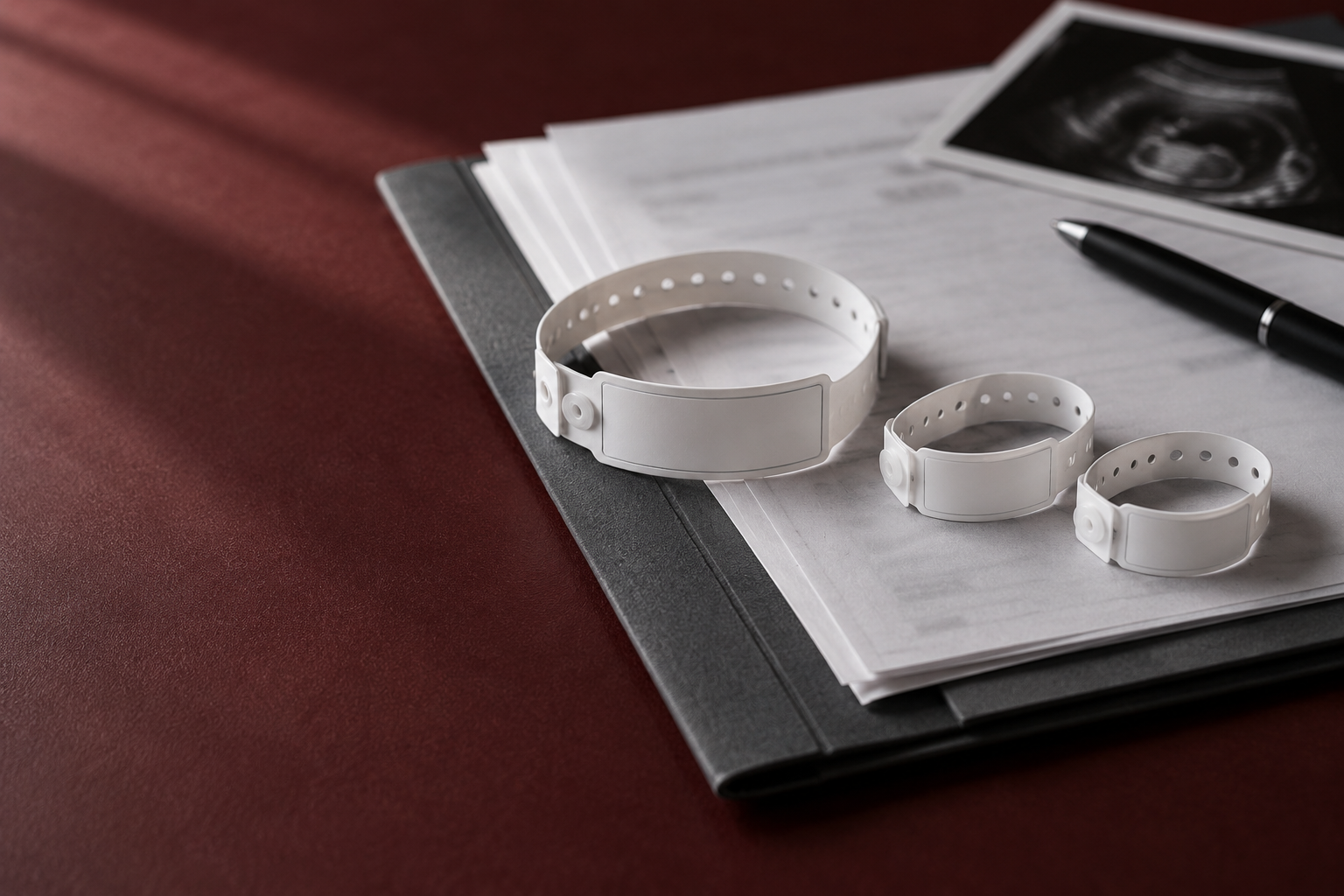

Trying to conceive with chronic pain is not the path I imagined when I was 25 years old, healthy, active, working in marketing, and assuming I had a pretty straightforward future ahead of me—career, life, eventually motherhood.
But a ski accident changed everything. On my 25th birthday, I went skiing and fell while coming downhill, swerving to avoid a group of young students. I landed in the snow and initially seemed “fine,” but later that night I began experiencing neurological symptoms. These were first dismissed as a migraine and whiplash-related neck spasms, but over the following weeks—during which the symptoms steadily worsened—they were ultimately identified as post-concussion syndrome.
What seemed like a simple fall left me with debilitating dizziness, chronic daily head pain, and a long list of neurological symptoms that would consume the next decade of my life. The pain was relentless—something that’s hard to fully understand unless you’ve lived with it 24/7, 365 days a year. It was a constant, invisible weight that impacted every part of my day—from work to relationships to just making it through the next hour in a new loud, bright and painful perspective compared to my pre-head injury baseline. It took years of trial and error, countless doctors, and more failed treatments than I care to count, but eventually, I built a comprehensive medical care team and a toolkit that brought me back to life.
That relief allowed me to feel human again and achieve life goals and milestones—to enjoy my wedding day without being sidelined by pain, to start a new business that didn’t require looking at a computer all day (something I could no longer tolerate), and to go on an international honeymoon with my husband and feel present in my own body.
Now, as we prepare to try to conceive, I’m facing a new kind of challenge: letting go of the very treatments that gave me my life back because they aren’t considered pregnancy-safe. As you can imagine, this was a scary decision for me and one I didn’t take lightly. That relief improved my daily function, so the idea of not having it was terrifying—particularly ketamine infusions, which were life-changing in managing my pain.
Stepping away from those treatments hasn’t been easy—and some days, it’s heartbreaking. Still, I’m doing everything I can to support my body through this transition and prepare it for a healthy pregnancy.
Here are some of the practices and supports I’m leaning on during this trying-to-conceive (TTC) season.
Working closely with experts
One of the most important elements for me right now is stress management. When I was receiving ketamine infusions regularly and feeling a real sense of relief, I could power through long workdays, maintain a high-achieving pace, and still show up for a full social calendar. I was doing a lot — and I was doing it well. But as I taper off the treatments that once made that lifestyle possible, I’ve had to rethink what it means to function, to succeed, and most importantly, to feel well.
Now, I live day by day. I monitor my stress levels closely and adjust my schedule whenever I can to avoid unnecessary strain. Planning ahead has become a form of self-care — not to fill my calendar, but to leave space in it. I keep things intentionally light so I can truly listen to my body and respond to what it needs, rather than push through in ways that lead to setbacks.
This intentional slowing down isn’t always easy (especially for someone used to doing it all) but I’ve learned that staying well, especially while preparing to conceive, means honoring my limits and choosing rest before I reach the edge.
One of the essentials in my wellness toolkit is Osteopathic Manipulative Medicine. When considering manual therapy treatments, many people think of physical therapists or chiropractors, but there are medical doctors, Osteopathic Physicians or Doctor of Osteopathy (DOs)—who take a more holistic, whole-body approach to diagnosing and treating dysfunction through gentle, hands-on techniques.
DOs are fully licensed physicians in the U.S. who undergo the same medical school training as MDs, with additional training in anatomy, the musculoskeletal system, and manual therapy. This allows them to address structural imbalances that may be contributing to migraines or nervous system dysregulation. The practice of Osteopathic Manipulative Medicine can benefit anyone, but there are specific advantages for people managing chronic pain and those trying to conceive.
I asked my doctor, double board-certified physician Dr. Iris Tian, DO, how Osteopathic Manipulative Therapy (OMT) can support individuals trying to conceive. “OMT helps reduce or eliminate chronic pain, and ultimately, stress, in several ways. It releases structural and mechanical patterns, often worsened by or even caused by stress, to restore homeostasis in the body on all levels to not only improve the structure and function of muscles, nerves, tendons, and bones but to also regulate the nervous system, hormones, circulation, and lymphatics,” she explains.
Specific treatments focused on the cranial base, diaphragm, sacrum, pelvis, uterus, and ovaries are effective in relieving dysfunctions to stimulate the parasympathetic nervous system (“rest-and-digest”) and improve circulation to the reproductive organs. This primes the body for an optimal state to conceive. When stress and pain patterns are resolved, many women have more regular periods, improved mood, and reduced anxiety which are all critical factors affecting fertility. Stress tells the body it’s not “safe” to create. OMT guides and reminds the body that it’s safe to conceive. The more your body is primed for conception, the better it will provide a nurturing environment for baby to grow, support you throughout pregnancy, and aid in postpartum recovery.”
Stimulating the vagus nerve
Another treatment in my toolkit that I just recently stumbled on is the Truvaga vagus nerve stimulator, which was recommended to me by my neurologist but is available and accessible online to anyone without a doctor’s prescription.
The concept behind the vagus nerve stimulator is to activate the vagus nerve—a critical pathway between the brain and body—to help regulate the parasympathetic nervous system, which is responsible for the body’s “rest and digest” functions.
By gently stimulating this nerve, the Truvaga device aims to reduce stress, promote relaxation, and support overall mental and physical well-being. It’s a small, handheld device that connects wirelessly to your phone via an app, which guides each session and tracks your usage. You place the device on the side of your neck where the vagus nerve is most accessible, and it delivers a gentle electrical pulse for just a few minutes per session. The sensation is mild, gentle, and quickly becomes familiar and even soothing.
It’s a pregnancy-safe, non-invasive, drug-free approach that taps into the body’s natural calming mechanisms, and while research on vagus nerve stimulation is still evolving, many people report improvements in sleep, mood, and resilience to stress. One of the first things I noticed after a week of use was a significant reduction in my chronic daily migraines and resulting dizziness. Within a month, both symptoms were significantly stabilized.
I typically use it once or twice a day, often in the morning, to help ground my nervous system, and again in the evening to wind down. Over time, it’s become a reliable part of my routine, complementing other treatments and lifestyle changes I’ve made in managing my symptoms. I love how mobile and travel friendly it is: I used it regularly everywhere on my honeymoon in Switzerland – from train rides to tucking it in my carry-on on our long international flights to restore and balance my nervous system.
Mild caffeine via matcha
Another addition to my wellness toolkit is a matcha machine, which has become a part of my morning and mid-afternoon rituals. Unlike coffee, which can spike cortisol and contribute to energy crashes or increased anxiety, matcha provides a more stable energy boost thanks to its combination of caffeine and L-theanine—an amino acid that promotes calm focus. I use the Cuzen Matcha machine, which grinds the leaves into powder right before I use them to ensure I am getting the freshest cup of matcha, compared to using pre-ground powders.
Regular Botox injections
While many of the tools in my wellness routine are holistic, one more conventional treatment I’ve continued with the support of my neurologist is Botox for chronic migraines. Even during the trying-to-conceive phase and pregnancy, my neurologist was comfortable with me staying on this treatment because Botox is localized and not systemic, meaning it doesn’t circulate throughout the body in the same way many medications do.
While Botox hasn’t been studied extensively in pregnant people, moderate studies and case reports have not shown clear harm, though guidance can vary widely depending on the provider. For some patients, it’s framed as an unnecessary risk; for others, it’s a treatment that prevents debilitating pain and reduces the need for systemic drugs with clearer pregnancy warnings.
For me, Botox has been a foundational part of managing my health, allowing me to function day to day and making other supportive tools more effective. Continuing it wasn’t about convenience or vanity—it was about weighing uncertainty against quality of life and choosing the option that allowed me to stay well enough to keep moving forward.
Alternative headache relievers
I’m also incorporating the Apollo Neuroscience Wearable Band into my wellness regimen. The gentle vibrations help me relax when my body feels tense and overwhelmed, especially during flare-ups or high-stress moments. It doesn’t take the pain away entirely, but it shifts how I respond to it—less reactive, more grounded. It is a gentle distraction and comfort that allows me to feel more in control when I am experiencing a flare-up.
I also love to use the headache hat by TheraICE to help provide relief when I am in pain. It provides soothing relief during painful episodes and is very comfortable to wear just while hanging out around the house and relaxing. It was also very slim and convenient to tuck in my checked luggage for our honeymoon.
TTC vitamins for me & my partner
In terms of our general health, my husband and I have been committed to taking our Perelel Health vitamins to help prepare our bodies as best we can for trying to conceive. They make a Conception Support Pack for women and a Men’s Health Multivitamin Pack, both of which are specifically formulated to support reproductive health. Also, the brand uses evidence-based formulations developed by a team of OB/GYNs, which gives us confidence that we’re nourishing our bodies with high-quality, targeted nutrients.
Trying to conceive with chronic pain isn’t a straight path—it’s a daily balancing act of courage, hope, and managing each day as it comes. This season of life has asked me to slow down and to become even more intentional about how I monitor stress levels and care for myself. These gentle rituals, innovative tools, and the commitment and hope to grow our family gets me through. I don’t have all the answers or know what the future holds, but I have a toolkit, a team, and most importantly, hope. And for now, that’s enough.