There is a particular kind of insult in spending $28 on a bottle of Cabernet Sauvignon, waiting until the children are finally asleep, pouring the glass you have been thinking about since 4:17 p.m.—and discovering that it tastes like alcoholic grape juice in an expensive-looking bottle.
We’re not here to romanticize “mommy wine culture,” suggest alcohol as a treatment for a hard day or tell mothers they need a drink to survive motherhood.
We’re here for something much simpler: If you choose to drink wine, the one glass you actually sit down to enjoy should be worth it.
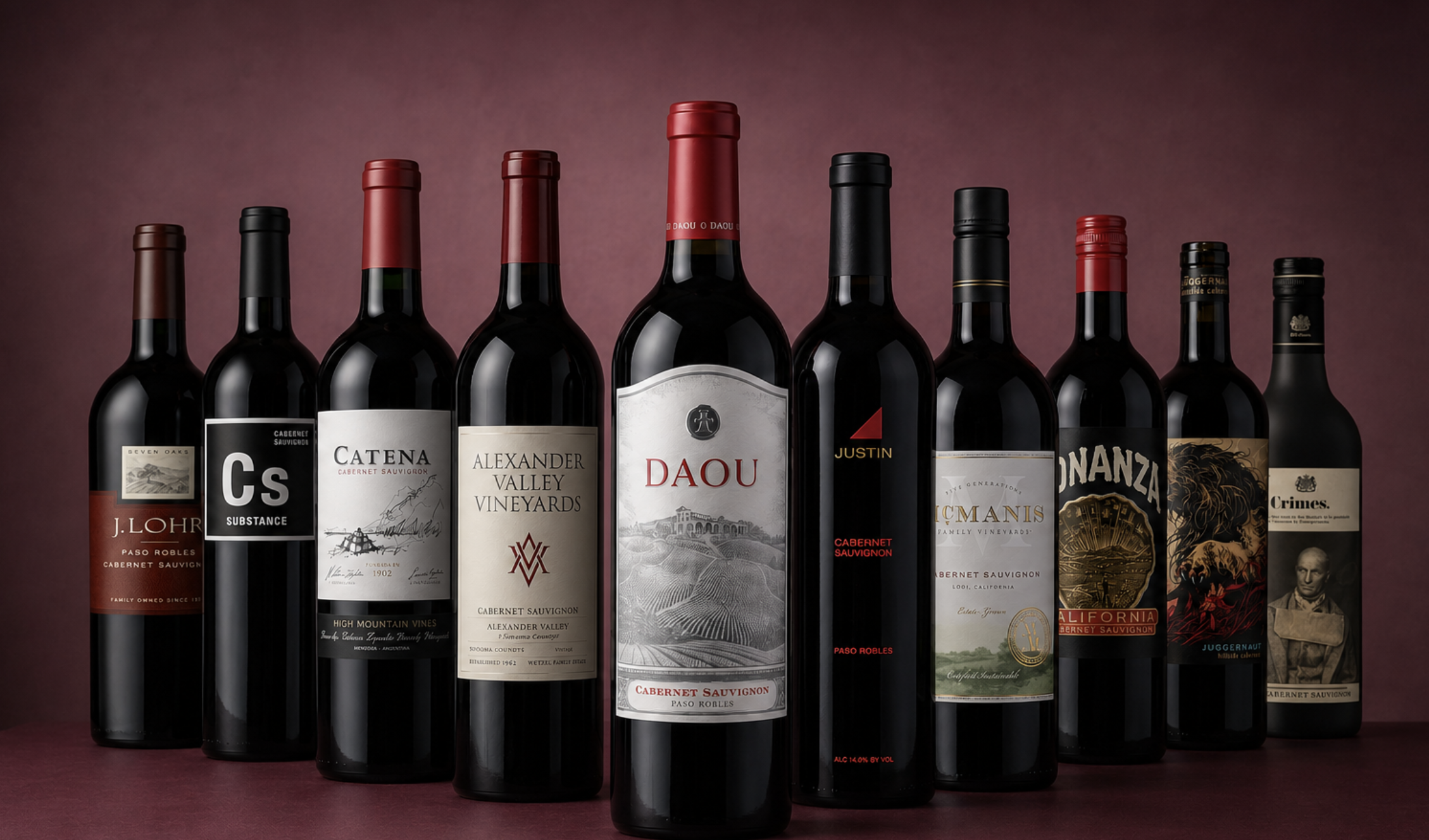
And expensive-tasting Cabernet does not have to be expensive. The bottles below deliver the things people often associate with a much bigger price tag: concentrated dark fruit, real structure, polished tannins, thoughtful oak and a finish that doesn’t disappear before you put the cork back in.
Most cost less than $30. Several cost less than $20. None require you to pretend you can identify “forest floor” while Bluey plays in the background.
What Is the Best Affordable Cabernet Sauvignon?
Our best overall pick is J. Lohr Seven Oaks Cabernet Sauvignon, a widely available Paso Robles Cabernet that generally sells for less than $20 and delivers ripe black cherry and currant, softly textured tannins and a long finish.
For a richer, more indulgent style, try Bonanza Cabernet Sauvignon. If you prefer something more structured and classically Cabernet, choose Substance “Cs” Cabernet Sauvignon.
The Mother Chapter’s edit
The Affordable Cabernets That Actually Taste Expensive
Nine polished bottles, all generally $30 or less—because if you choose to pour a glass, it should be worth it.
The bottle we’d keep on hand
J. Lohr Seven Oaks Cabernet Sauvignon
Ripe black cherry and currant, softly textured tannins and a long finish. Dependable, easy to find and absolutely not a compromise.
Shop the best overall →Best for classic Cab lovers
Substance “Cs” Cabernet Sauvignon
$17–$22 · Columbia Valley, Washington
Tastes like: Blackberry, currant, pencil lead and cedar.
Why it tastes expensive: Savory detail, tannic backbone and a layered finish.
Shop Substance →Best high-altitude value
Catena Cabernet Sauvignon
$18–$25 · Mendoza, Argentina
Tastes like: Cassis, raspberry, pepper, clove and cedar.
Why it tastes expensive: Concentrated fruit, spice, cedar and fine tannins—without the Napa price.
Shop Catena →Smoothest + richest
Bonanza Cabernet Sauvignon
$20–$25 · California
Tastes like: Ripe berries, cassis, vanilla and dark chocolate.
Why it tastes expensive: The plush, oak-kissed profile many drinkers associate with high-priced Napa Cab.
Shop Bonanza →Best big, bold bottle
Juggernaut Hillside Cabernet Sauvignon
$20–$25 · California
Tastes like: Black currant, cassis, vanilla and anise.
Why it tastes expensive: Dense fruit, velvety texture and the full steakhouse-bottle experience.
Shop Juggernaut →Best crowd-pleaser
Decoy California Cabernet Sauvignon
$20–$27 · California
Tastes like: Blackberry, dark cherry, baking spice and toasty oak.
Why it tastes expensive: Fruit, oak, tannin and acidity are beautifully balanced.
Shop Decoy →Best hostess gift
Alexander Valley Vineyards Cabernet Sauvignon
$23–$30 · Alexander Valley, Sonoma
Tastes like: Cassis, plum, cherry, anise and chocolate.
Why it tastes expensive: Estate-grown fruit, 14 months in oak and plush-but-structured tannins.
Shop Alexander Valley →Best bottle to bring
DAOU Cabernet Sauvignon
$22–$30 · Paso Robles, California
Tastes like: Black plum, cherry, currant, sage and baking spice.
Why it tastes expensive: Layered aromatics, a substantial palate, long finish—and a bottle that looks the part.
Shop DAOU →Best under $15
McManis Family Vineyards Cabernet Sauvignon
$11–$16 · California
Tastes like: Blackberry, black cherry, mocha and vanilla.
Why it tastes expensive: Soft tannins and dark, ripe fruit create rare plushness near the $12 mark.
Shop McManis →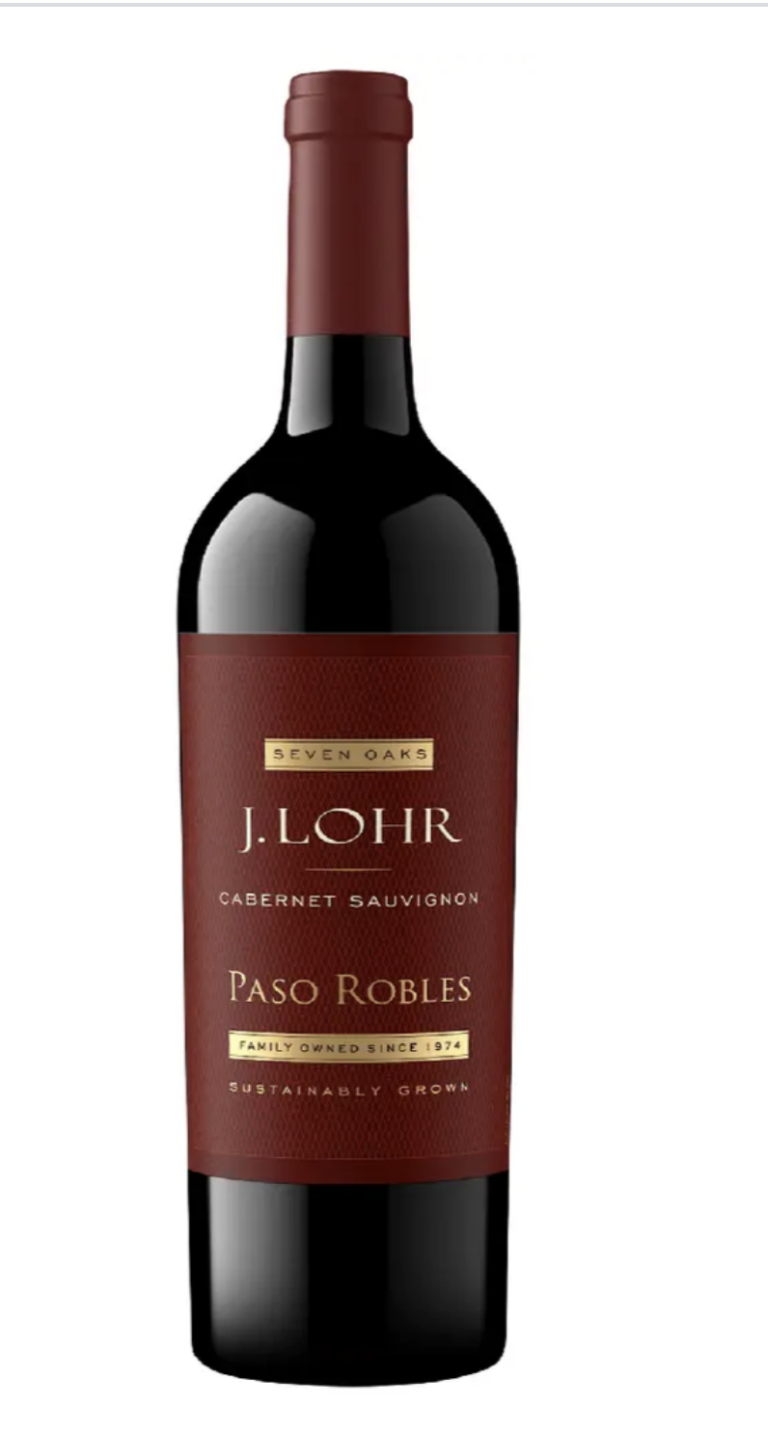
Typical price: $15–$20
Region: Paso Robles, California
Tastes like: Black cherry, currant, vanilla and toasted hazelnut
This is the bottle to keep on hand when you want a dependable Cabernet that doesn’t taste remotely like a compromise.
J. Lohr’s Seven Oaks has the ripe fruit Paso Robles does so well, but it’s the texture that makes it feel more expensive: juicy without being jammy, structured without turning your mouth to sand and softly rounded by oak.
The 2023 vintage earned 91 points and a Best Buy designation from Wine Enthusiast, according to the winery, but the real appeal is less showy: It’s easy to find, easy to like and polished enough to pour for company.
Open it with burgers, steak, lasagna or the adult portion of dinner you reheated after making three separate children’s meals.
Why it tastes expensive: A year of barrel aging adds vanilla, toast and texture, while small amounts of Petite Sirah and Petit Verdot deepen the wine.
Buy: J. Lohr Seven Oaks Cabernet Sauvignon
Substance “Cs” Cabernet Sauvignon
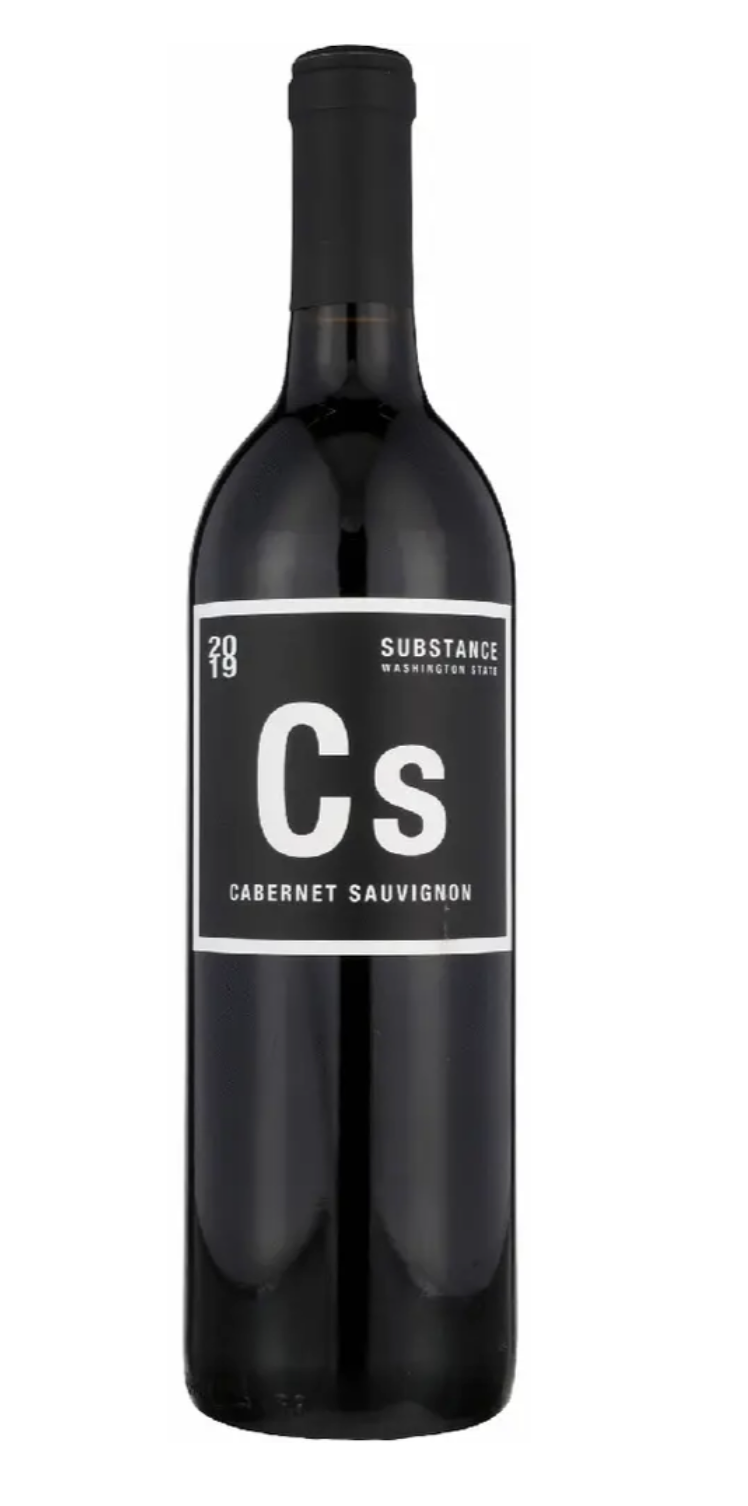
Typical price: $17–$22
Region: Columbia Valley, Washington
Tastes like: Blackberry, currant, pencil lead and cedar
If “affordable Cabernet” usually brings to mind something soft, sweet and forgettable, Substance is the rebuttal.
Winemaker Charles Smith’s Washington Cabernet leans into the grape’s more classic side: dark fruit, cedar, graphite-like minerality and enough structure to stand up to food.
This is the pick for someone who likes Cabernet to taste like Cabernet—not like vanilla syrup with a berry dropped into it. Give it 20 to 30 minutes in the glass or a decanter and it should become even more expressive.
Why it tastes expensive: It has the savory detail, tannic backbone and layered finish more commonly found in bottles a tier or two above its price.
Buy: Substance “Cs” Cabernet Sauvignon
Catena Cabernet Sauvignon
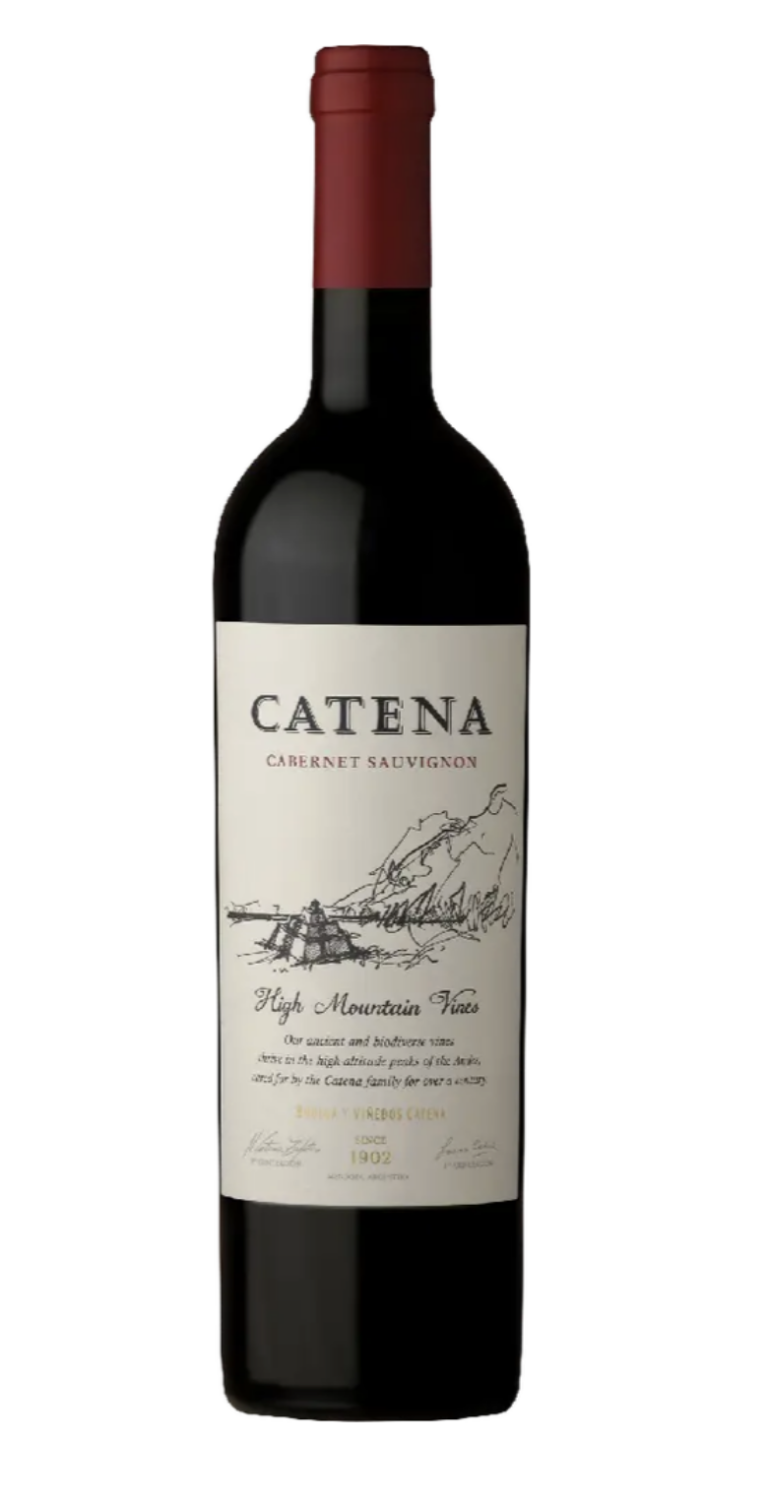
Typical price: $18–$25
Region: Mendoza, Argentina
Tastes like: Cassis, raspberry, pepper, clove and cedar
Napa isn’t the only place capable of making Cabernet feel luxurious.
Argentina’s high-altitude vineyards can produce wines with ripe, generous fruit but also freshness and lift—and Catena is one of the most reliable names to look for.
This Cabernet is full-bodied without feeling heavy, with silky tannins and a long, composed finish. It’s a smart bottle for someone who wants richness without the aggressively sweet, heavily oaked style found in some inexpensive California Cabernets.
Why it tastes expensive: Concentrated fruit, spice, cedar and fine tannins create complexity without requiring a Napa address—or a Napa price.
Buy: Catena Cabernet Sauvignon
Bonanza Cabernet Sauvignon
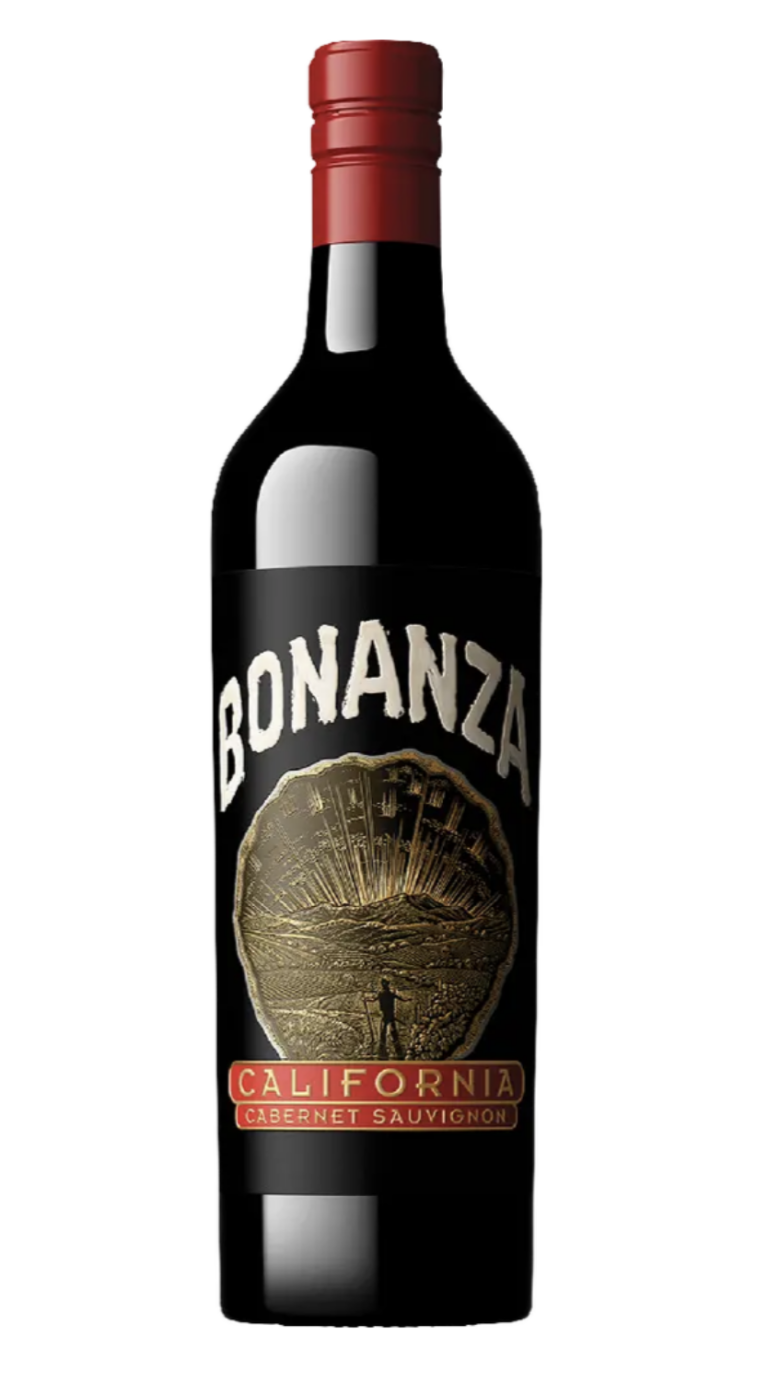
Typical price: $20–$25
Region: California
Tastes like: Ripe berries, cassis, vanilla and dark chocolate
Bonanza comes from Chuck Wagner, the winemaker behind Caymus, and that family resemblance is the reason this bottle has such a loyal following.
It’s lush, ripe and immediately appealing, with supple tannins and enough vanilla and dark chocolate to make it feel unabashedly indulgent.
Wine purists may prefer something drier or more restrained. But if your definition of a great Cabernet is smooth, rich and generous from the first pour, Bonanza understands the assignment.
Why it tastes expensive: It delivers the plush texture and ripe, oak-kissed profile many drinkers associate with high-priced Napa Cabernet for roughly $20.
Buy: Bonanza Cabernet Sauvignon
Juggernaut Hillside Cabernet Sauvignon
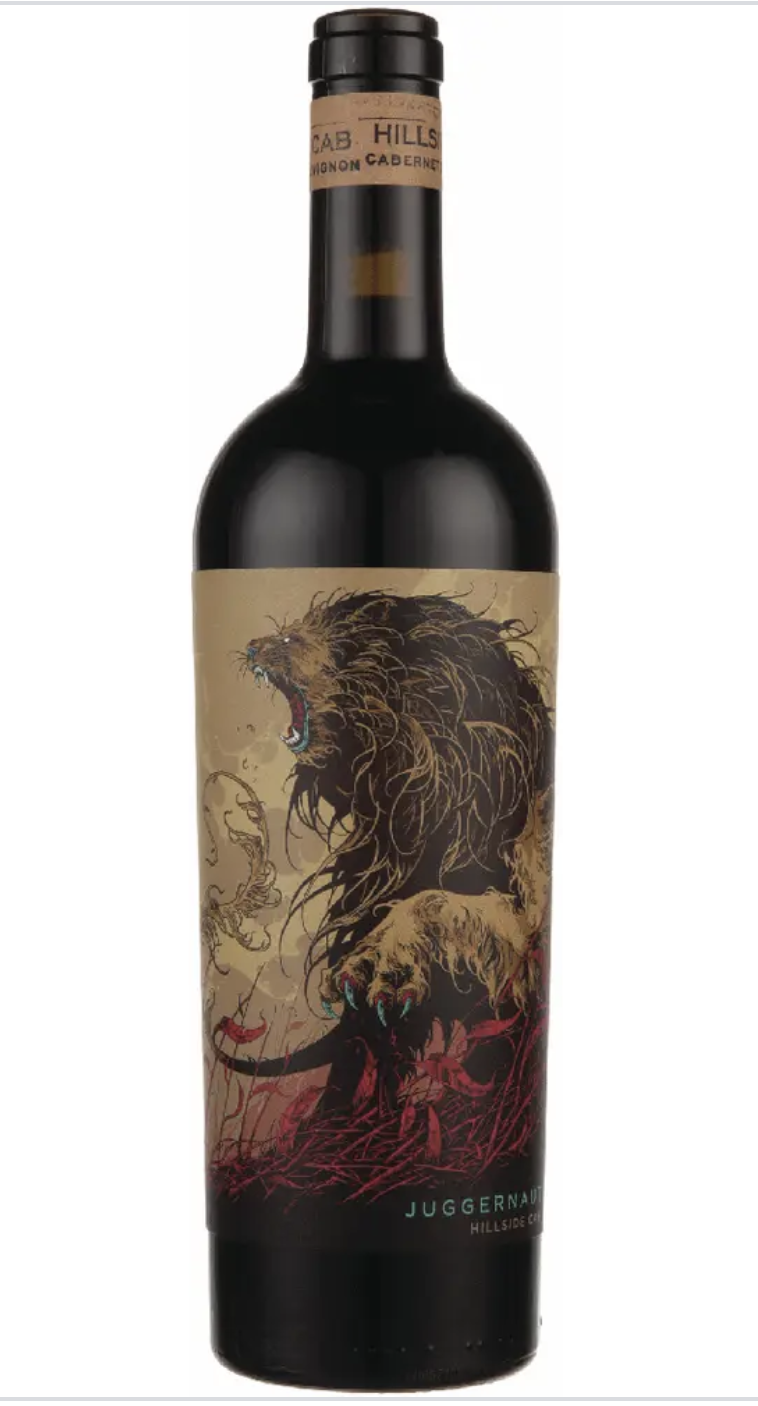
Typical price: $20–$25
Region: California
Tastes like: Black currant, cassis, vanilla and anise
Juggernaut isn’t subtle, and that’s precisely the point.
Made with fruit grown on steep hillside vineyards, it’s dense, dark and velvety, with ripe black fruit and a noticeable ribbon of vanilla from oak.
This is the Cabernet for cold nights, grilled steak, short ribs or the friend who says, “I want a big red,” and means it.
If you prefer light, restrained wines, keep scrolling. If you want a bottle with the vinous equivalent of dramatic lighting, this is it.
Why it tastes expensive: The dense fruit, dramatic bottle, velvety mouthfeel and oak-driven finish create the full steakhouse-bottle experience.
Buy: Juggernaut Hillside Cabernet Sauvignon
Decoy California Cabernet Sauvignon
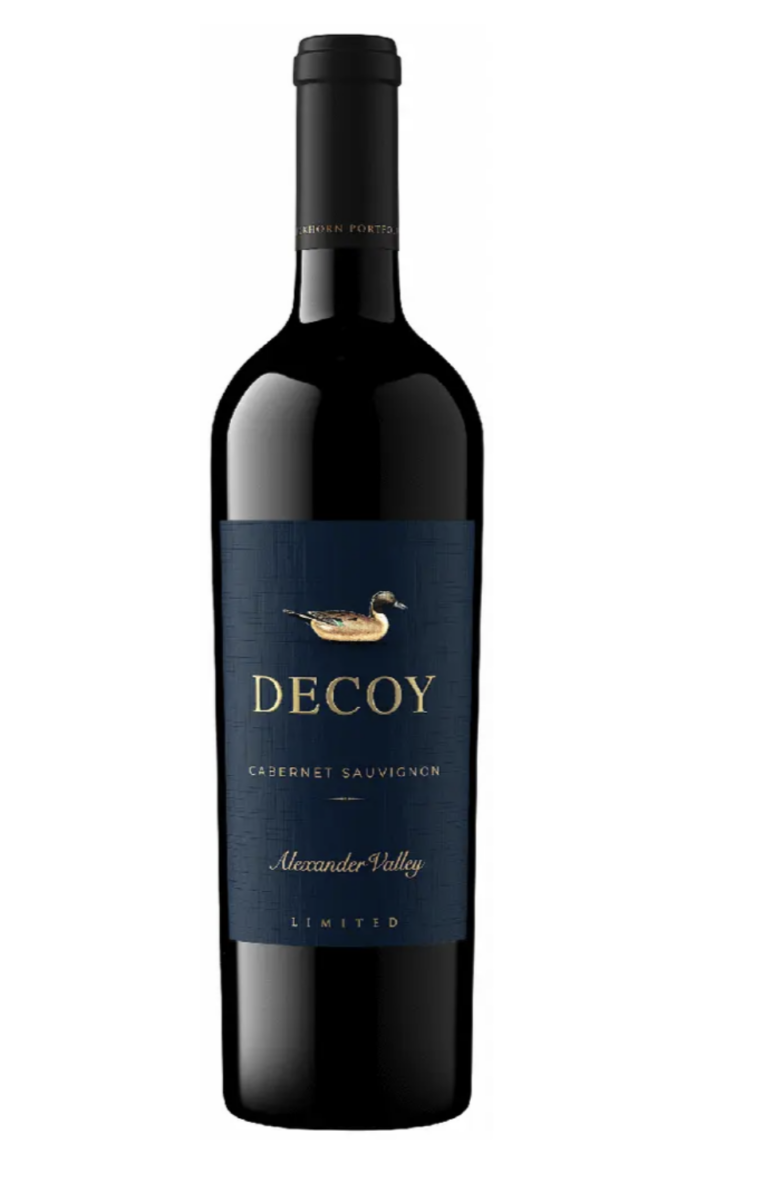
Typical price: $20–$27
Region: California
Tastes like: Blackberry, dark cherry, baking spice and toasty oak
When you’re bringing one bottle to dinner and have no idea whether the table includes wine obsessives or people who choose entirely by label, Decoy is the safe, genuinely good middle ground.
The Duckhorn-owned label makes a Cabernet with plenty of dark fruit, silky tannins and enough acidity to keep all that richness lively.
It feels familiar without being boring and polished without demanding your full attention—a surprisingly useful quality when dinner involves six adults, nine children and someone asking where the ketchup is.
Why it tastes expensive: Its balance is the luxury. The fruit, oak, tannin and acidity all show up, but none elbows the others out of the glass.
Buy: Decoy California Cabernet Sauvignon
Alexander Valley Vineyards Cabernet Sauvignon
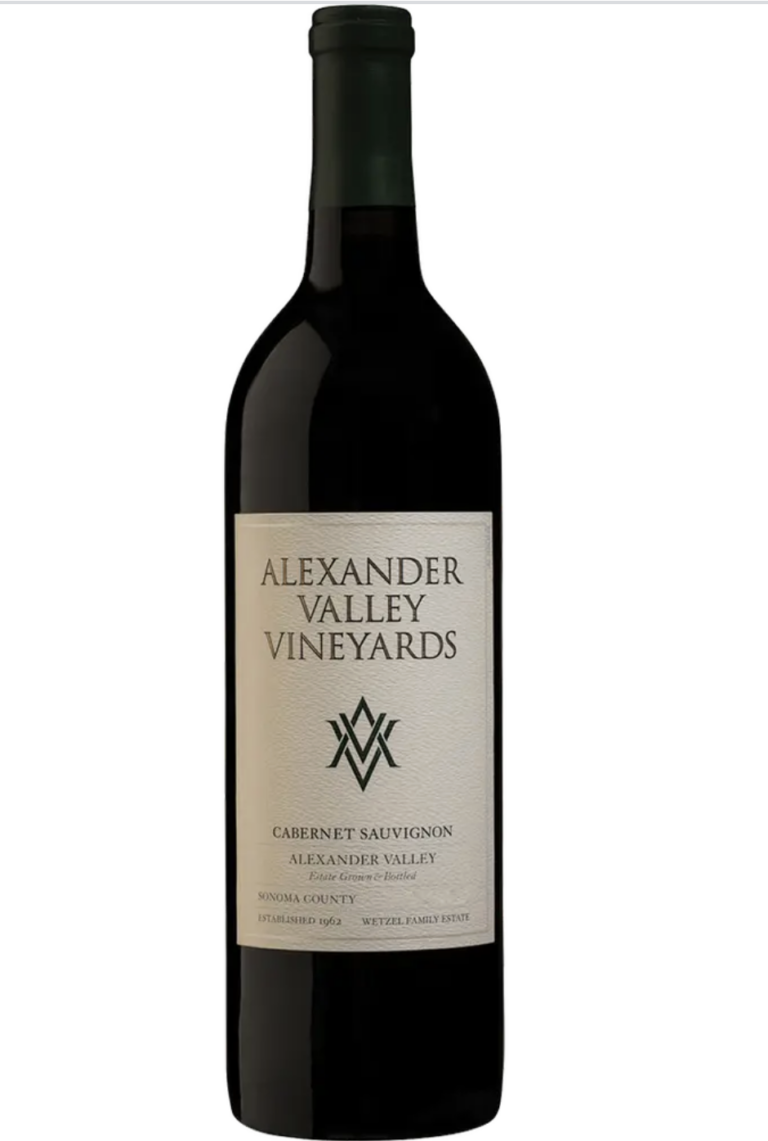
Typical price: $23–$30
Region: Alexander Valley, Sonoma County, California
Tastes like: Cassis, plum, cherry, anise and chocolate
This is the bottle that looks and drinks like you made a more expensive decision than you did.
Alexander Valley is one of California’s respected Cabernet regions, and this estate bottling has the polished, savory quality that can make a wine feel serious: cassis and plum, earthy detail, supple tannins and a restrained touch of chocolate and oak.
It’s elegant enough for a holiday table and relaxed enough for takeout after bedtime. It also makes a very good hostess gift because it doesn’t scream bargain wine—even if you found it on sale for around $23.
Why it tastes expensive: Estate-grown Sonoma fruit, 14 months in French and American oak and plush-but-structured tannins give it the composure of a pricier bottle.
Buy: Alexander Valley Vineyards Cabernet Sauvignon
DAOU Cabernet Sauvignon
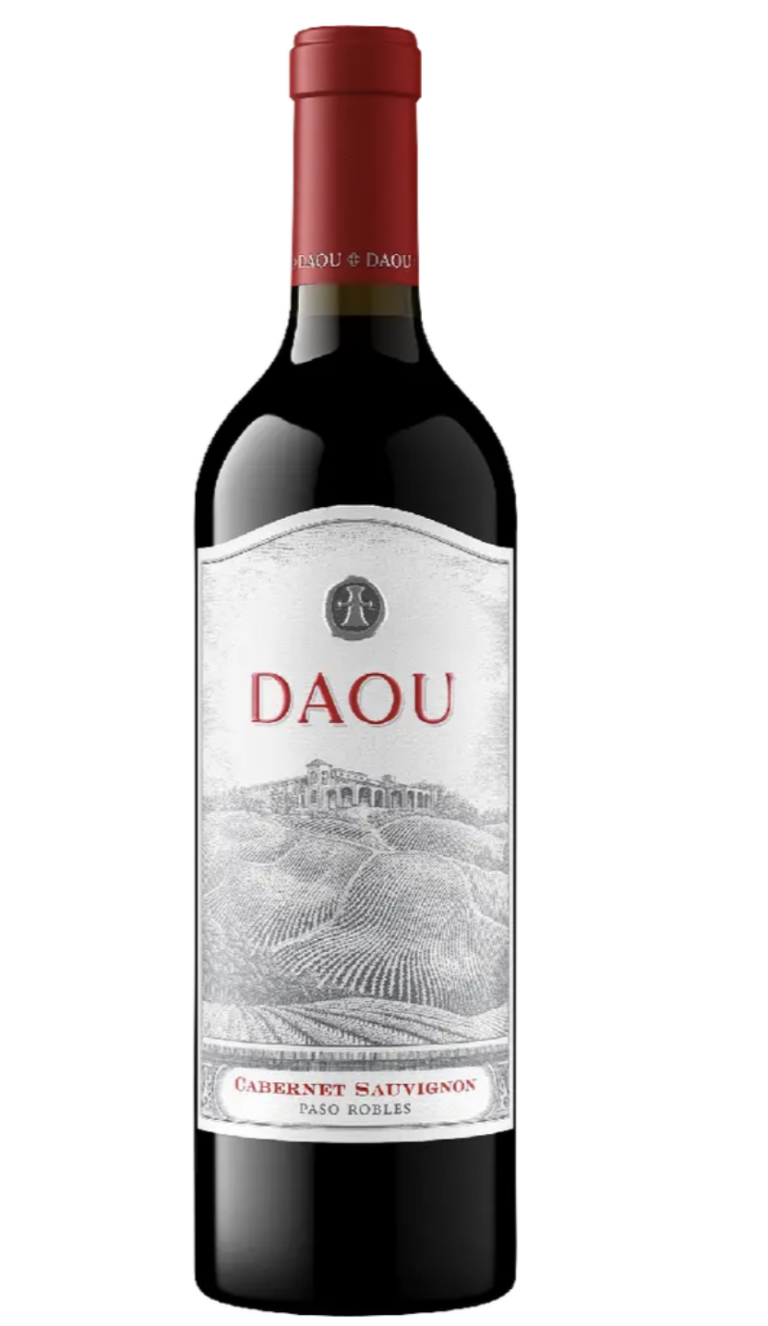
Typical price: $22–$30
Region: Paso Robles, California
Tastes like: Black plum, cherry, currant, sage and baking spice
DAOU has become a familiar restaurant-list and gift-bag bottle for a reason: It feels like an occasion.
The Cabernet is rich and weighty, with dark fruit, spice and savory notes that keep it from becoming one-dimensional. The bottle itself also has the visual gravitas required when you want a $27 wine to look like a $47 wine.
Prices vary widely, so this is one to grab when you see it below $25. It’s also the natural choice when the plan is “one really good glass” rather than opening whatever happens to be closest to the corkscrew.
Why it tastes expensive: Its layered aromatics, substantial palate and long finish create the sense that someone gave the wine—and therefore you—some actual attention.
McManis Family Vineyards Cabernet Sauvignon
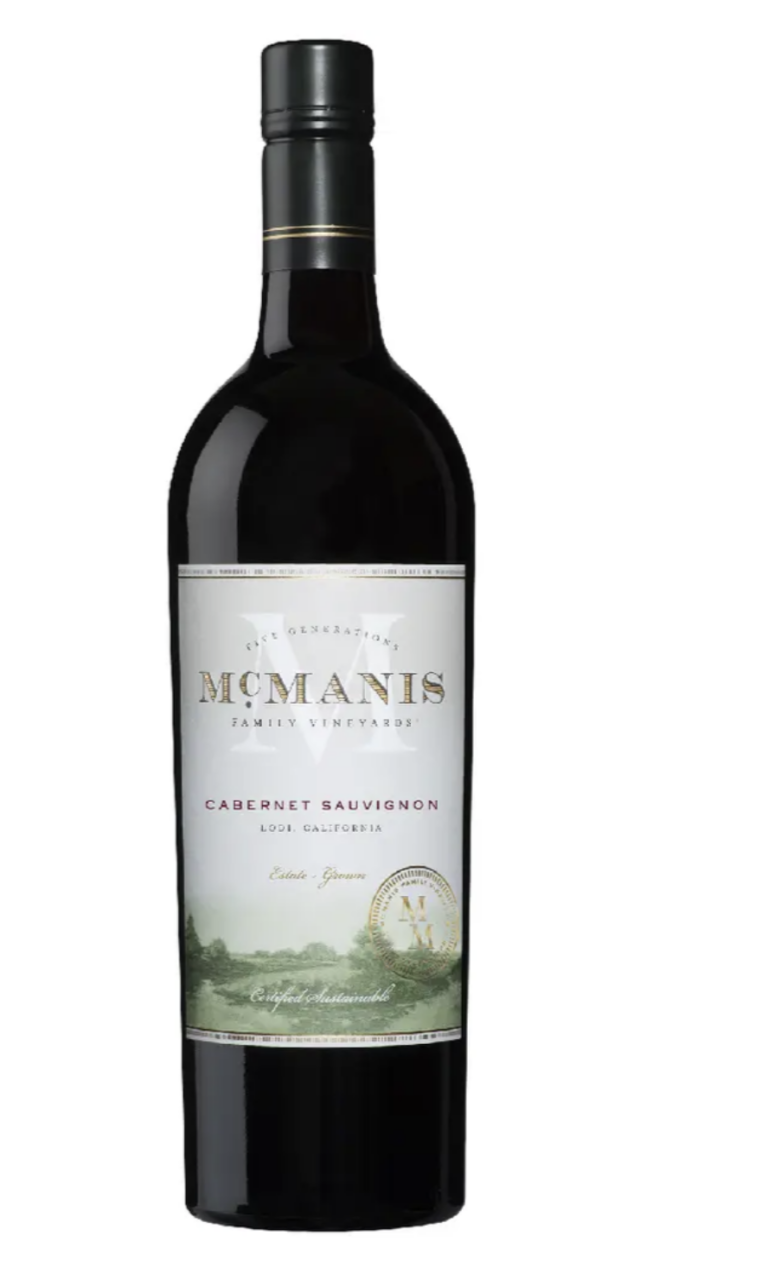
Typical price: $11–$16
Region: California
Tastes like: Blackberry, black cherry, mocha and vanilla
No one needs to know this cost roughly the same as two lattes.
McManis is smooth, fruit-forward and reliably satisfying, with the kind of mocha-and-vanilla finish that makes an inexpensive Cabernet feel rounder and more generous.
It doesn’t have the structure or complexity of the bottles higher on this list, but that isn’t what you’re buying it for. This is the Tuesday-night Cabernet: easy, affordable and considerably better than its price suggests.
Why it tastes expensive: Soft tannins and dark, ripe fruit give it a plushness rarely found near the $12 mark.
Buy: McManis Family Vineyards Cabernet Sauvignon
How We Chose These Affordable Cabernets
We looked for widely available Cabernet Sauvignons that generally retail for $30 or less and offer the characteristics drinkers often associate with more expensive bottles: concentrated fruit, balanced oak, meaningful structure, smooth or well-integrated tannins and a finish with some staying power.
We reviewed current producer information, vintage details, professional ratings where available and national retail pricing.
Wine is subjective, and vintages, prices and inventory change. A $19 bottle in one state may be $24 in another. Consider this a carefully researched starting point—not a declaration that everyone must taste the same blackberry, cedar or tiny whisper of a French library at dusk.
How to Make an Affordable Cabernet Taste Even Better
You don’t need special glasses, a wine fridge or the ability to swirl without spilling. Three small things make the biggest difference:
- Don’t serve it too warm. “Room temperature” was coined when rooms were colder. Give the bottle about 15 to 20 minutes in the refrigerator before pouring. Around 60 to 65 degrees is ideal for most Cabernet.
- Let it breathe. A young, bold Cabernet often tastes better after 20 to 30 minutes in a decanter—or simply in a generously sized glass.
- Use a real wine glass. The shape gives the aromas room to open. It doesn’t need to be expensive or remotely Instagrammable.
If you only want one glass, seal the bottle and refrigerate it. Most opened Cabernet will remain enjoyable for roughly three to five days when recorked and kept cold. Let the next glass warm for a few minutes before drinking.
Frequently Asked Questions
Can You Get a Good Cabernet Sauvignon for Under $20?
Yes. J. Lohr Seven Oaks, Substance “Cs,” Catena and McManis are all strong affordable Cabernet options that can often be found for less than $20, depending on the retailer.
Wines from Paso Robles, Washington State, Mendoza and California’s broader appellations often offer better value than bottles carrying a Napa Valley designation.
What Makes a Cabernet Sauvignon Taste Expensive?
An expensive-tasting Cabernet usually has concentrated fruit, balanced acidity, well-integrated tannins, oak that adds complexity rather than overwhelming sweetness and a long finish.
Region and reputation affect price, but they don’t guarantee that you’ll enjoy the wine more.
What Is the Smoothest Affordable Cabernet Sauvignon?
Bonanza is the smoothest, richest choice on this list, with ripe fruit and supple tannins. Decoy is another approachable option with silky tannins and brighter acidity.
For a softer bottle under $15, try McManis.
What Is the Best Affordable Cabernet Sauvignon for a Gift?
DAOU, Decoy and Alexander Valley Vineyards all make excellent gifts under $30. They’re recognizable, polished and broadly appealing, and their bottles look appropriate for a hostess gift, birthday dinner or holiday table.
Is Cabernet Sauvignon Sweet or Dry?
Cabernet Sauvignon is generally a dry red wine. Ripe fruit, vanilla and oak can make some bottles taste slightly sweet even when little residual sugar remains.
If you prefer a drier, more structured style, look for a Washington Cabernet such as Substance or a bottle from Mendoza such as Catena.
What Food Pairs Well With Cabernet Sauvignon?
Cabernet’s dark fruit and tannins pair especially well with steak, burgers, braised beef, lamb, mushrooms, aged cheddar and tomato-based pasta. Richer, smoother styles can also be enjoyable on their own.
One Last Thing
Mothers are marketed plenty of products based on the premise that we’re exhausted, overwhelmed and therefore entitled to numb ourselves at the end of the day.
This isn’t that list.
This is a list for the woman who enjoys Cabernet and wants her money—and her one quiet glass—to be well spent.
You don’t need a drink because you’re a mother. But if you choose one, you deserve the good stuff.
Alcohol isn’t recommended during pregnancy. If you’re breastfeeding, taking medication or have questions about whether alcohol is safe for you, talk with your healthcare provider. If drinking has begun to feel less like a choice, confidential help is available through the SAMHSA National Helpline at 1-800-662-HELP (4357).
We independently select the products we feature. If you buy through our links, The Mother Chapter may earn a commission at no additional cost to you. Prices were accurate at the time of publication but may change.
Best for: Looking completely dressed with almost no effort
The best mom-uniform pieces are the ones that eliminate decisions, and Sierra Madre’s Ready Swing Dress is basically an entire outfit handled. It has a built-in shelf bra, sweat-wicking stretch fabric, two pockets in the dress and a separate pair of shorts with two more—which means you can actually use the bathroom without having to take the whole thing off. Originally designed for golf, it works just as well for school drop-off, errands, playground duty or any day when leggings feel too casual but putting together an actual outfit is absolutely not happening.
The mom-uniform move: Add sneakers and a baseball cap, and you’re dressed enough for almost anywhere the day takes you.