Editor’s note: This personal essay discusses one woman’s experience with surgery, ayahuasca and psilocybin mushrooms. It is not medical advice or an endorsement of any substance, treatment or medical decision.
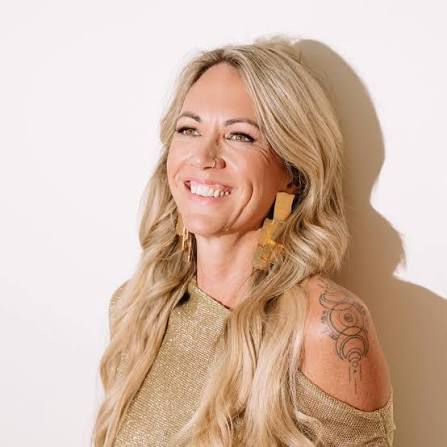
Four days before surgery to remove one of my ovaries, I stood in a shower wearing a plain white tank and black underwear while water sprayed across the frame. My hair was wet, my back arched, and for one hour I let myself be seen—not as a mother, a wife or a patient, but as a woman fully inside her own body.
Outside, the sky was gray with the flat early-June light California gets before the sun burns through. A friend had done my hair. A makeup artist I loved had done my face. I had brought a push-up bra with a little animal print and matching panties, but the photographs I loved most came from that simple tank, the black underwear and the water.
They did not feel like pictures of a costume or a performance. Beauty rituals can sometimes help a mother feel like herself again, but this felt like something deeper.
The shoot had landed in a narrow passage between two major events. Three days earlier, I had returned from a week in the Costa Rican jungle, where I had participated in an ayahuasca ceremony. Four days later, I would have surgery for a growing dermoid cyst on one ovary.
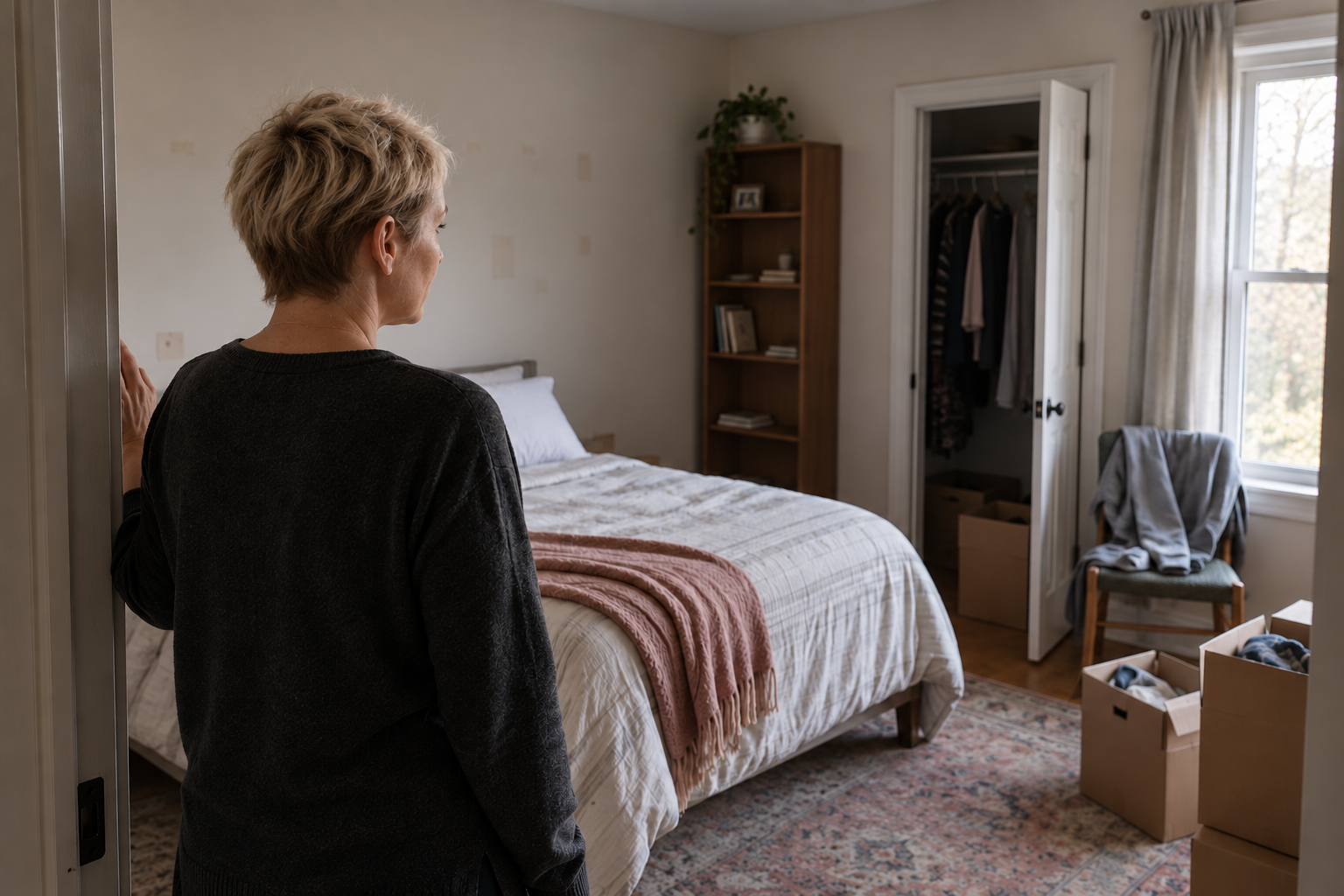
I had already postponed the operation once. I did not want to lose the ovary. My doctor had explained that as the cyst grew, so did the concern about complications and the possibility of emergency surgery. I understood the medical reasoning. Emotionally, I still did not feel ready to give up a part of my body.
Before I left for Costa Rica, I called a photographer I followed on Instagram, a woman whose work made bodies look inhabited instead of posed. She had one open date that month. It happened to fall between the retreat and the surgery.
I booked it.
At forty-nine, I had spent the previous year getting stronger. I had gone months without alcohol, lost about twenty pounds and begun to feel more at home in my body. Microdosing mushrooms had also been part of that period. I experienced it as a return of sensation and clarity, although that was my personal experience—not a medical claim about what it could do for anyone else.
To feel newly connected to my body just as a surgeon was going to remove part of it felt almost cruel. I wanted evidence of the woman I was in that exact moment—before surgery, before another transformation, before I had to learn the shape of whatever came next.
What surprised me most was the grief.
I used to joke that I’d made it nearly fifty years without losing a single body part, and here I was about to give one up.
The ovary became emotionally charged for me. In some of the spiritual traditions I had found my way to, the ovaries were associated with feminine creation, intuition and receptivity. I understood that as symbolism, not biology. Still, the symbolism gave language to something I was feeling deeply: grief over how often I had pushed aside my own wants, creativity and desire.
I thought about all the small moments in which I had tucked my longing away while I picked up laundry, gave a child a bath or tracked everyone else’s emotional weather. I had told myself: It is just motherhood. It is just marriage. It is just a season.
Except the season had lasted for years.
I had spent most of my adult life being fine.
Fine through a good marriage that had quietly gone silent, though nothing you could point to as wrong. Fine through years of raising two children and running a household and tracking everyone’s emotional weather. I called it keeping the peace.
Motherhood, the way I practiced it, taught me to disappear beautifully, to choose the path of least disruption so many times that “least disruption” became my entire life.
Read: Everyone Told Me My Body Would Change but No One Told Me My Identity Would
Here is what I know now about self-abandonment: what we refuse to acknowledge does not necessarily disappear. For me, it surfaced as restlessness, numbness and the strange sensation of watching my own life through glass.
The cyst was not caused by the ways I had abandoned myself; dermoid cysts do not grow because a woman has suppressed her needs or desires. But facing surgery made it impossible to ignore how disconnected I had become from the rest of myself.
The photo shoot gave me permission to interrupt that disappearance.
Read: How I Embraced Imperfection and Reclaimed My Sex Life Postpartum
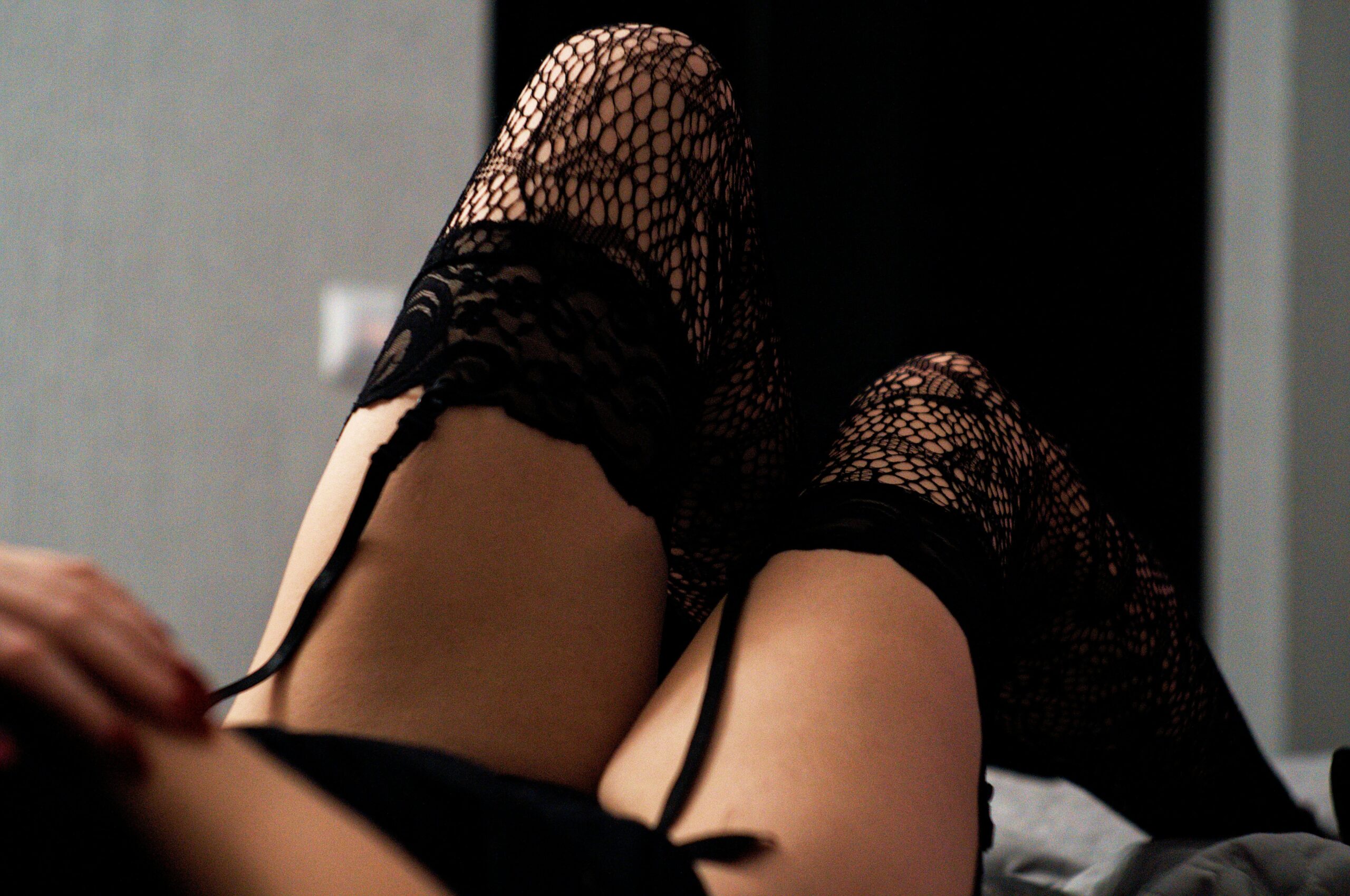
To be nearly nude. Sexy. Daring. Fun.
Now, to be fair, I went to theatre school. I love a camera.
And yet, I had rarely given myself the chance to be seen in this way—not performing a role, but inhabiting myself.
And it wasn’t the final image that changed me. It was the taking of the picture, the woman I got to embody for one hour. The print is just proof she was there. (Though I’ll be honest, the print is hot too.)
I’m on the other side now, and I won’t pretend it’s all tidy. There was more grief after surgery, but there was growth and healing. My marriage ended and the unraveling of lives was not easy. There was also the slow work of learning to trust my own longing instead of immediately negotiating it away.
Read: I Wasn’t Prepared for How My First Thanksgiving Post-Divorce Would Feel
Every now and then I flip through my phone and I find those photos and I smile and remember her.
I see the woman with her hair down her back, looking toward the sky like a lover. More importantly, I remember that I am still her.
The other night I was on the couch with my teenage daughter, watching the old Sex and the City episode where Samantha does a nude photo shoot and the girls spend a whole lunch deciding whether she’s a narcissist or just a woman who likes her own body. My daughter and I started laughing, because here we are, decades later, still having that debate.
Women are still asked to justify the decision to be seen.
Here’s what I hope she hears under the laughing. “Fine” is not a feeling. It’s a place we go to disappear. And you are allowed to be witnessed before you are healed. You are allowed to want your life back while you’re still grieving it, before you feel beautiful or ready or resolved.
Book the shoot. Or don’t; take the walk, write the sentence, say the true thing out loud in the car. But let someone see the woman underneath the roles.
Especially you.