Pregnancy and postpartum change a lot of things—including your skin. One day you might be dealing with the coveted “pregnancy glow,” and the next you’re wondering why your face suddenly feels dry, reactive, or covered in breakouts that didn’t exist a week ago.
The reason? Hormones.
“During pregnancy and postpartum, your body goes through significant hormonal shifts that directly impact your skin,” explains Marisa Garshick, M.D., a board-certified dermatologist at Medical Dermatology & Cosmetic Surgery (MDCS) in New York City. Those shifts can lead to increased oil production, which may trigger pregnancy acne or pigment changes like melasma—the dark patches that often appear across the cheeks, forehead or upper lip. Skin can also become noticeably more sensitive, reactive or dry as hormone levels fluctuate, Dr. Garshick adds.
And it doesn’t stop once the baby arrives.
“In the postpartum phase, hormones drop quickly, sleep is disrupted, and stress levels rise,” adds Mamina Turegano, M.D, a triple board-certified dermatologist, internist, and dermatopathologist at Sanova Dermatology. “Skin often becomes drier, duller and more sensitive.”
What’s worse: Conditions like acne, eczema or rosacea may flare, and pigmentation from pregnancy can linger, explains dermatology resident, Dr. Phuong Daniels, D.O., D.P.T.
In other words, the skincare routine that worked before pregnancy may suddenly stop making sense—and products that once felt effective might now feel irritating, while skin may require more barrier support and hydration than ever before.
That’s why many dermatologists recommend simplifying rather than overcomplicating your routine during this season of life.
“For my own routine, I take a less-is-more approach because it allows me to be consistent,” says Dr. Garshick. Gentle cleansing, targeted treatments, and reliable sun protection often form the backbone of routines that actually work for busy, sleep-deprived moms.
So we asked dermatologist moms to share the skincare products they genuinely rely on—the ones they use in their own routines and consistently recommend to patients navigating pregnancy, postpartum recovery, and the chaotic early years of motherhood.
Ahead, the skincare products dermatologist moms swear by, from barrier-supporting moisturizers and gentle cleansers to science-backed serums and sunscreens that keep skin healthy even when sleep is in short supply.
Cleansers
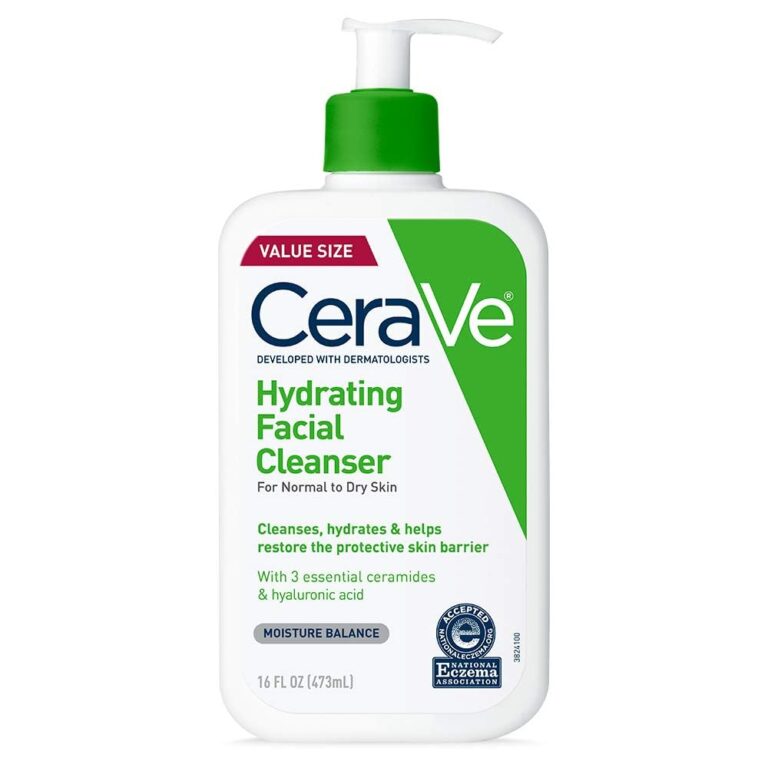
When skin feels unpredictable—something many moms experience during pregnancy and postpartum—a gentle cleanser can make all the difference. CeraVe Hydrating Facial Cleanser removes dirt, sweat and excess oil without stripping the skin’s protective barrier, thanks to its blend of ceramides and hyaluronic acid. Dr. Turegano notes that she personally reaches for cleansers like this because they “cleanse without stripping the skin,” which is especially important when hormones make skin more sensitive or reactive. The creamy formula helps maintain hydration while still giving skin that fresh, clean feeling. For moms rebuilding a routine, a reliable cleanser like this is often the first step.
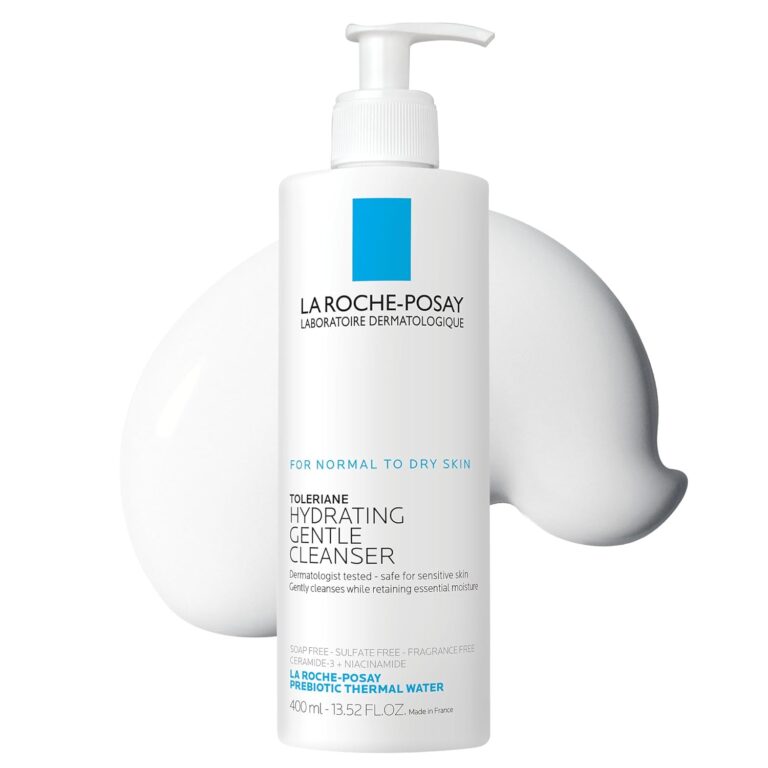
La Roche-Posay Toleriane Hydrating Gentle Cleanser, $16
When skin’s going through hormonal shifts (as it often does during pregnancy and postpartum) gentle cleansing becomes especially important. La Roche-Posay’s Toleriane Hydrating Gentle Cleanser is designed to remove dirt, oil, and makeup without disrupting the skin barrier, thanks to a soothing blend of ceramides, niacinamide, and glycerin. Derm often recommend formulas like this during seasons when skin feels more sensitive or reactive.
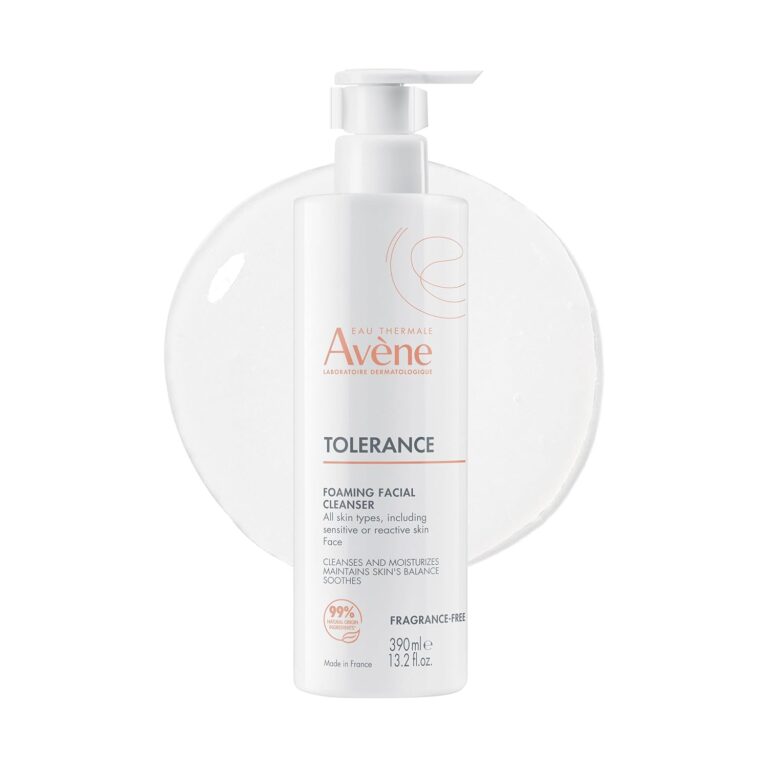
Avène Tolerance Extremely Gentle Cleanser, $20
When skin feels irritated, inflamed, or overly reactive, dermatologists often recommend focusing on repair rather than adding more actives. Avène Cicalfate+ is a restorative cream designed to calm redness, support the skin barrier, and protect compromised skin. The fragrance-free formula contains soothing ingredients that help skin recover when it’s feeling stressed or sensitive. Many dermatologists suggest keeping a product like this on hand for moments when skin suddenly flares up. In those situations, simplifying your routine and prioritizing barrier repair can help restore balance faster.
Vitamin C & Antioxidant Serums
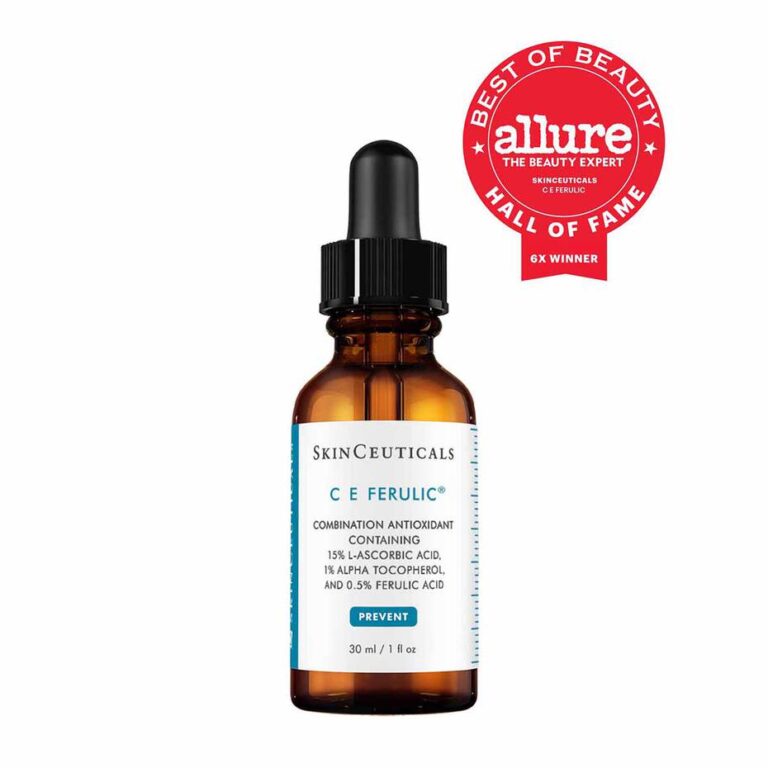
SkinCeuticals C E Ferulic, $185
Few vitamin C serums have earned the cult status of SkinCeuticals C E Ferulic—and for good reason. The antioxidant-packed formula helps brighten dull skin, improve the look of fine lines, and defend against environmental stressors that contribute to premature aging. Dr. Garshick includes it in her morning routine specifically for its ability to support skin health while boosting radiance. During postpartum months, when many moms notice their skin looking more tired or uneven, a vitamin C serum like this can help restore brightness. As dermatologists often emphasize, antioxidants paired with daily sunscreen create one of the most powerful defenses for long-term skin health.
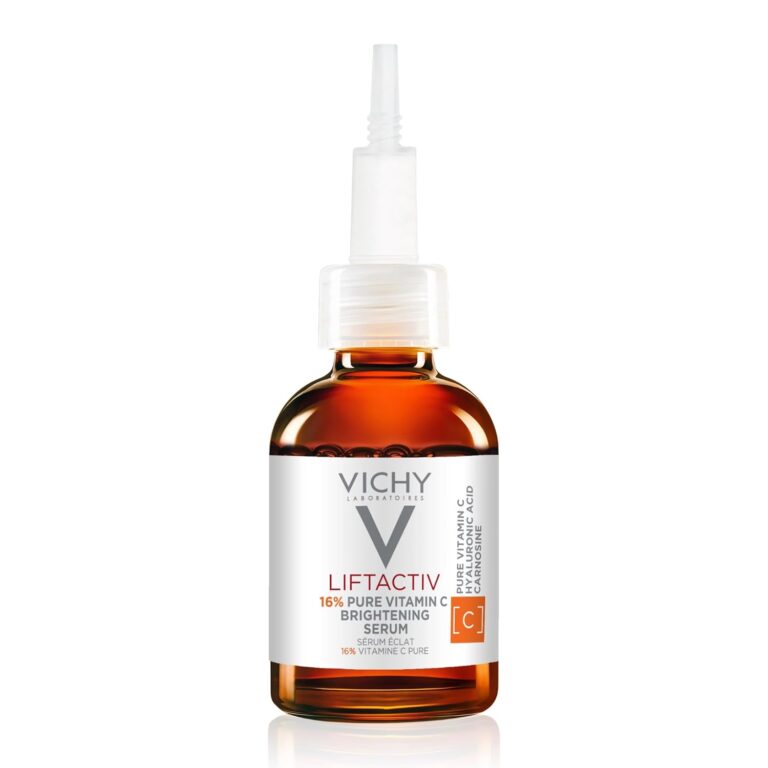
Vichy LiftActiv Vitamin C Skin Brightening Corrector, $35
Hormonal shifts during pregnancy and postpartum can often leave skin looking dull or uneven, which is why many dermatologists recommend incorporating a vitamin C serum into your routine. This serum contains a high concentration of vitamin C to help visibly brighten skin, improve tone and support collagen production over time. Dr. Turegano points to vitamin C as one of the most reliable ingredients for addressing hyperpigmentation and restoring radiance when skin starts to look tired. Antioxidants like vitamin C also help protect against environmental stressors that can worsen dark spots and premature aging. For moms dealing with lingering melasma or postpartum dullness, a simple vitamin C serum like this can make a noticeable difference with consistent use.
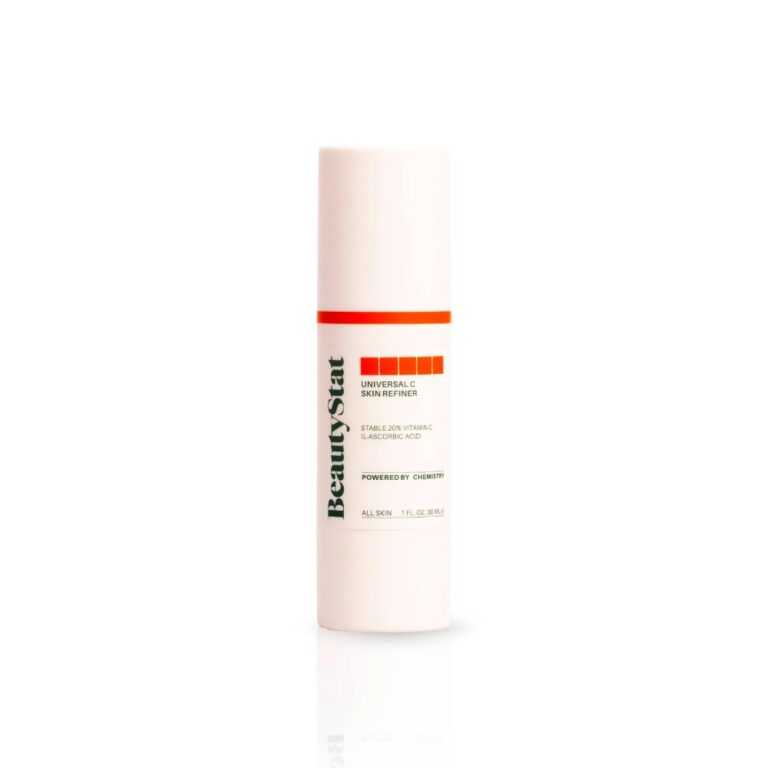
BeautyStat Universal C Skin Refiner, $62
BeautyStat’s Universal C Skin Refiner stands out for its patented, stable form of vitamin C, which helps brighten skin, smooth texture and support collagen production over time. Derms often point to vitamin C as a key ingredient for addressing hyperpigmentation, particularly when hormonal changes trigger melasma or uneven tone. With its silky, primer-like texture, this serum layers easily under moisturizer and sunscreen, making it a simple addition to even the most pared-down routine.
Azelaic Acid & Acne Treatments
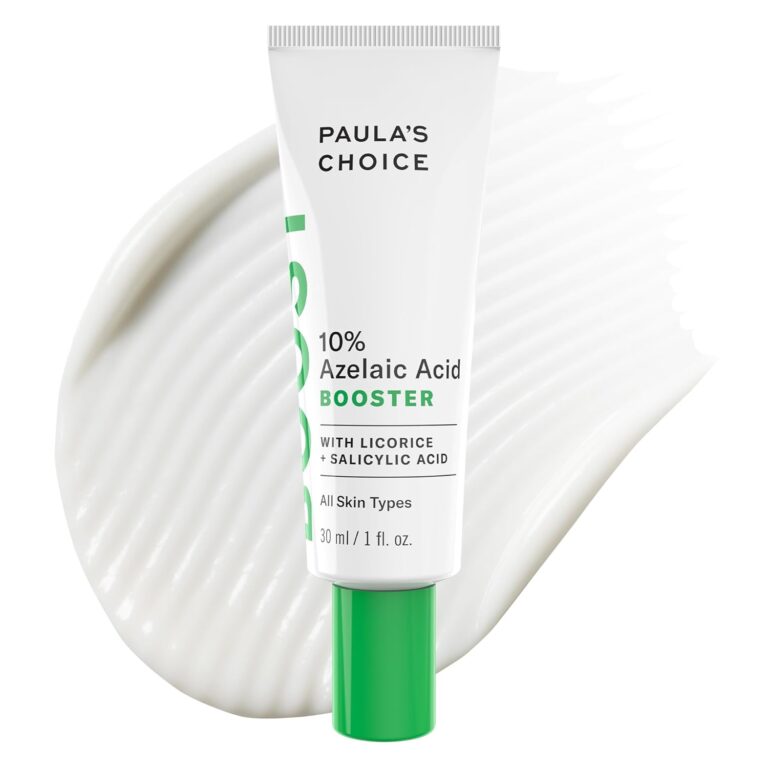
Paula’s Choice 10% Azelaic Acid Booster, $39
Azelaic acid is one of dermatology’s most underrated multitaskers—especially for moms navigating hormonal skin changes. The ingredient helps address acne, redness, and hyperpigmentation simultaneously, making it a versatile addition to a simplified routine. Dermatologists frequently recommend azelaic acid during pregnancy and breastfeeding because it’s considered a safer option compared to many other active ingredients. In fact, several experts highlight it as a go-to ingredient for calming inflammation and improving uneven tone. For moms dealing with melasma, breakouts or lingering redness, this serum offers targeted support without overwhelming sensitive skin.
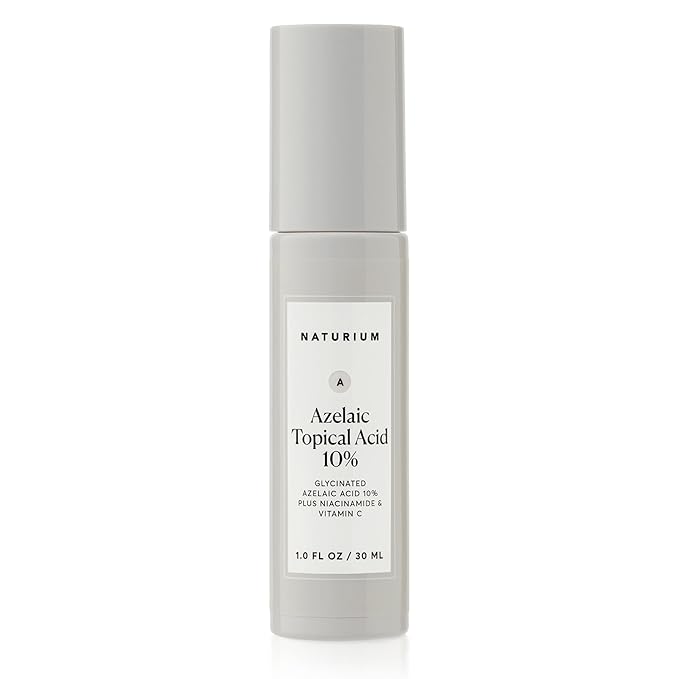
Naturium Azelaic Acid Serum 10%, $20
Azelaic acid is one of dermatology’s most versatile—and often underrated—ingredients, especially for moms navigating hormonal skin changes. This serum helps target acne, redness,and uneven tone all at once, making it a smart choice for simplifying a routine that may already feel overwhelming. Dermatologists frequently recommend azelaic acid because it’s considered a gentle but effective option for addressing concerns like breakouts and melasma. In fact, Dr. Turegano highlights azelaic acid as a particularly helpful ingredient during pregnancy and postpartum since it can improve acne, rosacea, and pigmentation while remaining well tolerated by sensitive skin. For moms dealing with stubborn hormonal breakouts or lingering dark spots, this multitasking serum offers targeted support without overloading the skin.
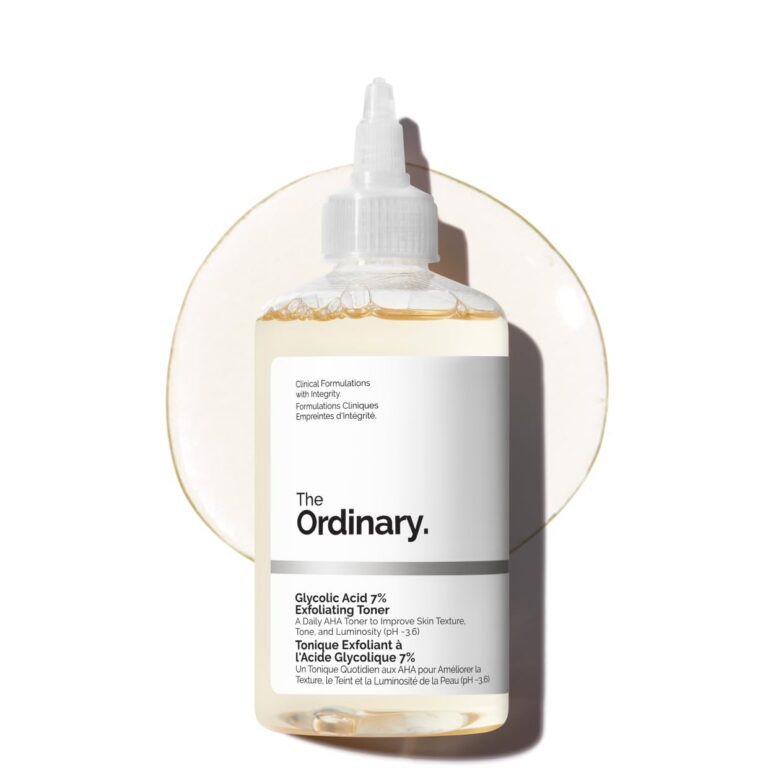
The Ordinary Glycolic Acid 7% Toning Solution, $14
When skin starts to look dull or uneven (something many moms notice during pregnancy and postpartum) gentle exfoliation can help restore clarity and glow. This product uses alpha hydroxy acids (AHAs) to help remove dead skin cells, smooth texture, and gradually brighten tone. Dr. Daniels notes that ingredients such as glycolic acid can play an important role in improving skin tone and supporting anti-aging benefits when used appropriately. For moms looking to simplify their routine, incorporating a mild exfoliating toner like this a few times a week can help reveal fresher, more radiant skin over time.
Moisturizers (Barrier Repair)
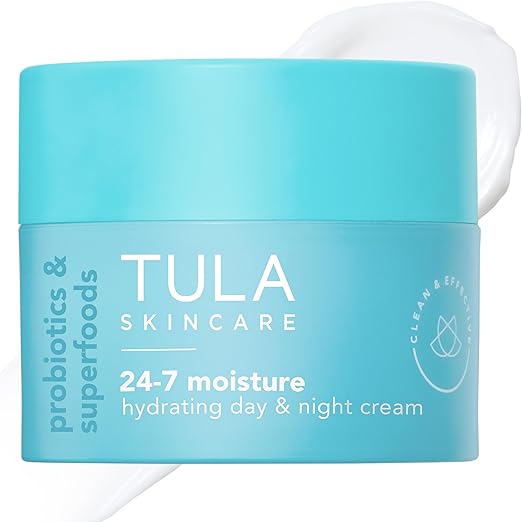
TULA Skin Care 24-7 Hydrating Day & Night Cream, $58
When skin starts feeling dry, tight, or just generally off, a reliable moisturizer can make a big difference. This formula includes probiotic extracts along with hydrating ingredients like watermelon and apple extract to support smoother, more comfortable skin. Dermatologists often stress that when skin becomes more reactive, the focus should shift toward hydration and barrier support. As Dr. Garshick explains, a dependable moisturizer helps “support and protect the skin barrier,” which becomes especially important during hormonal shifts.
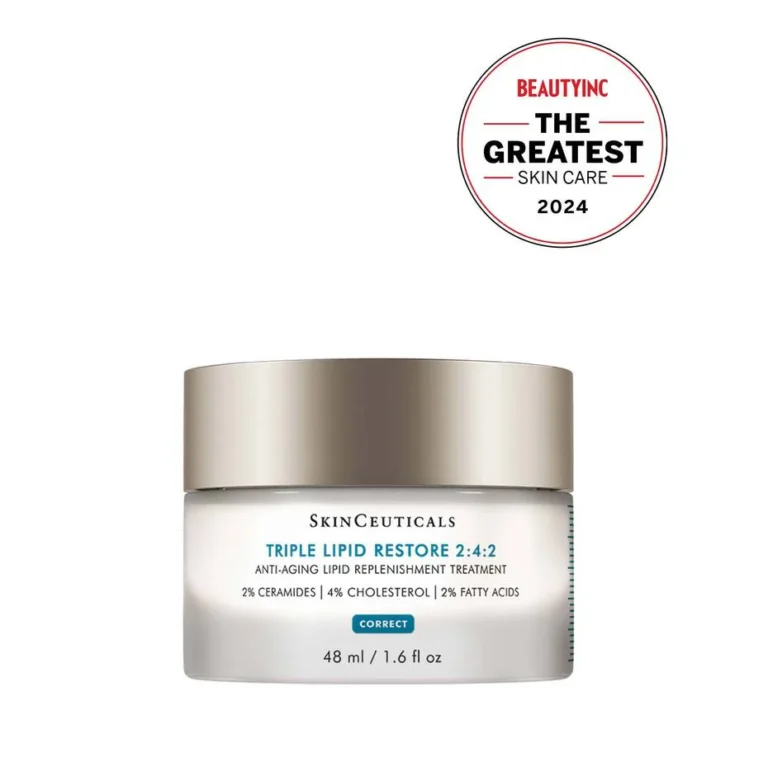
SkinCeuticals Triple Lipid Restore 2:4:2, $155
If your skin suddenly feels drier, tighter, or just a little more “meh” than usual—something many moms notice during pregnancy and postpartum—a richer moisturizer can help bring it back into balance. SkinCeuticals Triple Lipid Restore 2:4:2 is one of those formulas dermatologists consistently come back to when skin needs serious barrier support. It’s packed with a blend of ceramides, cholesterol, and fatty acids designed to replenish the lipids that naturally decline with age, stress and hormonal shifts.
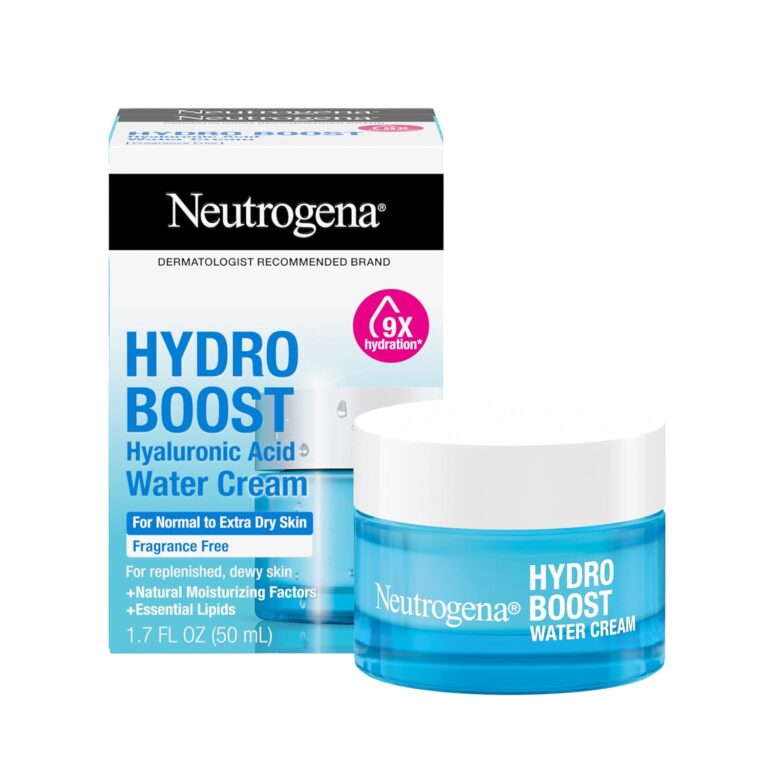
Neutrogena Hydro Boost Water Cream, $20
For moms who suddenly find their skin feeling drier or more reactive than usual, this type of simple hydrator can help bring things back into balance. Dr. Garshick points out that when skin is going through hormonal shifts, a reliable moisturizer that supports the barrier becomes essential. A product like this delivers exactly that—hydration that feels light, comfortable, and easy to use even when your routine has to stay simple.
Sunscreens
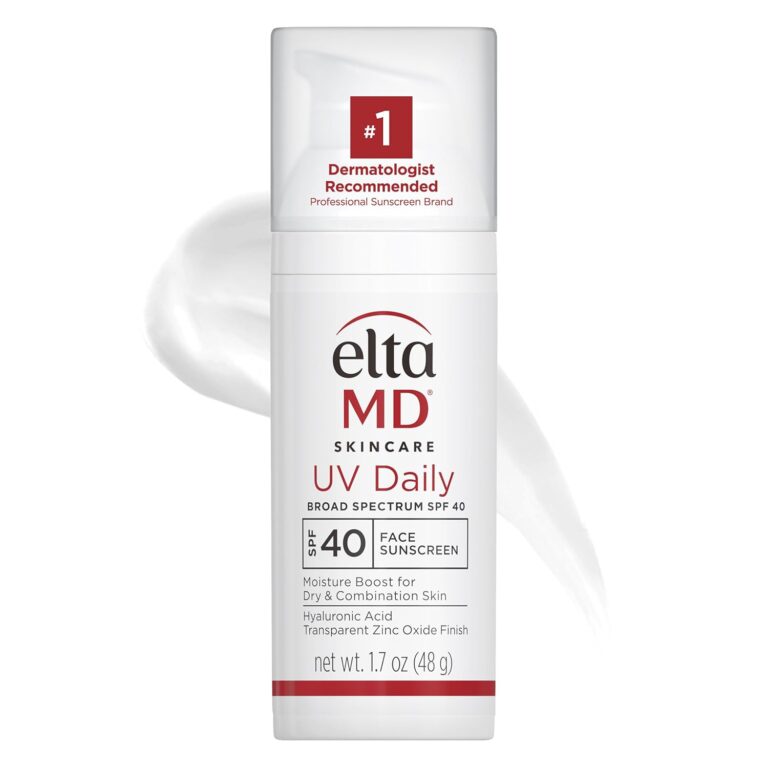
EltaMD UV Daily Broad-Spectrum SPF 40, $33
Ask dermatologists to name the most important skincare step, and sunscreen almost always tops the list. This is especially true during pregnancy and postpartum, when hormonal changes can make skin more prone to hyperpigmentation. EltaMD UV Daily has long been a dermatologist favorite thanks to its lightweight texture and skin-supporting ingredients like hyaluronic acid. Experts consistently emphasize that daily sun protection helps prevent melasma from worsening and protects skin from long-term damage. As Dr. Garshick notes, sunscreen forms the foundation of healthy skin and helps “prevent pigmentation progression and strengthen skin resilience.”
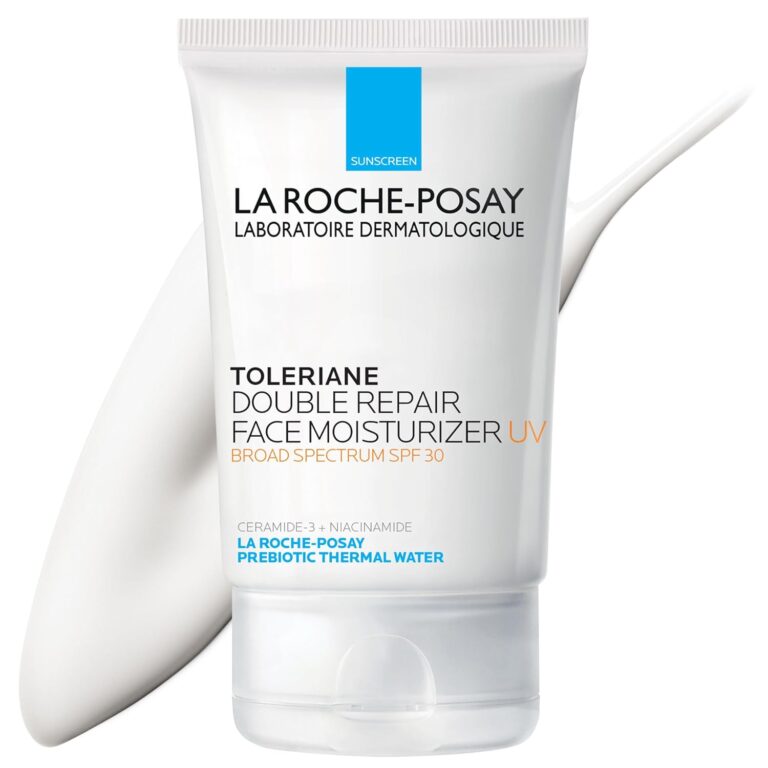
La Roche-Posay Double Repair Moisturizer with SPF, $21
Daily sunscreen is non-negotiable, especially when hormonal changes make skin more prone to hyperpigmentation. “Sunscreen helps “prevent pigmentation progression and strengthen skin resilience,” says Dr. Garshick. A moisturizer like this makes it easier to stay consistent—something that matters even more when sleep is scarce and your routine needs to be quick.
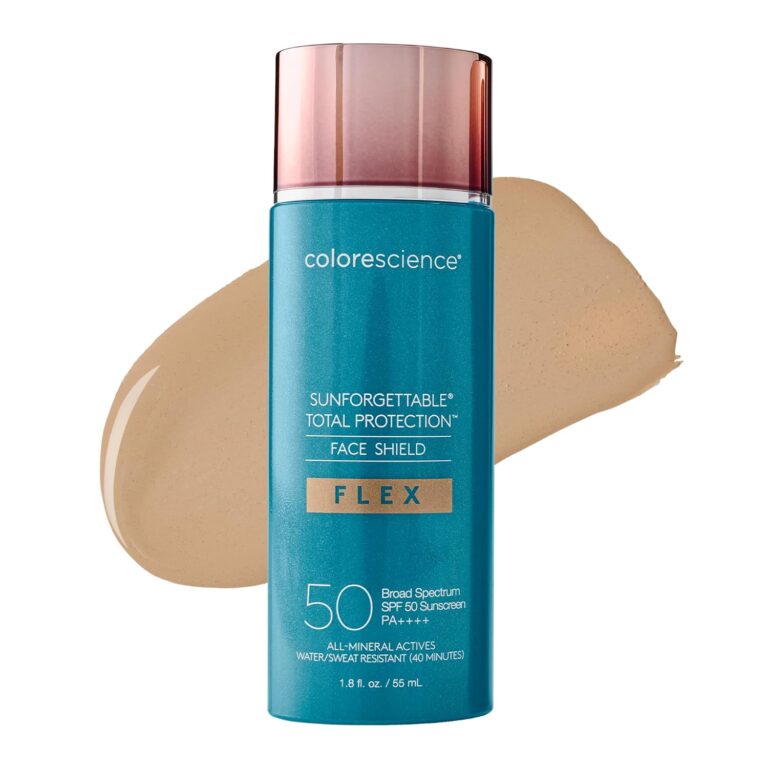
Colorescience Total Protection Flex SPF 50, $58
For moms dealing with pregnancy-related hyperpigmentation or lingering melasma, a tinted mineral SPF like this can be especially helpful. The formula is designed to protect not only against UVA and UVB rays but also environmental stressors like pollution and visible light, which can contribute to discoloration.
Lorem ipsum dolor sit amet, consectetur adipiscing elit. Ut elit tellus, luctus nec ullamcorper mattis, pulvinar dapibus leo.
Author
-
Jenn Sinrich is the co-founder of Mila & Jo Media, an award-winning journalist and mom to Mila, Leo and Eli. She's also on-track to become a bereavement and postpartum doula to help women, like her, who've experienced pregnancy loss. She's a Peloton-tread addict who loves to cook and spend time with her friends and family. A Boston-native, she has always loved the Big Apple, which she called her home for close to a decade.
View all posts
Follow Jenn on Instagram, subscribe to her Substack and visit her website.